We do not guess at the condition of a roof, and we do not ask a homeowner to take our word for it. Every inspection we run is built around one habit: document everything, in the same order, before we ever talk about a repair or a replacement. A photo record protects the homeowner and it protects us, because it turns "trust us" into "look for yourself."
This is what we actually photograph on a standard inspection, and why each part of the roof gets the attention it does.
We Walk the Roof the Same Way Every Time
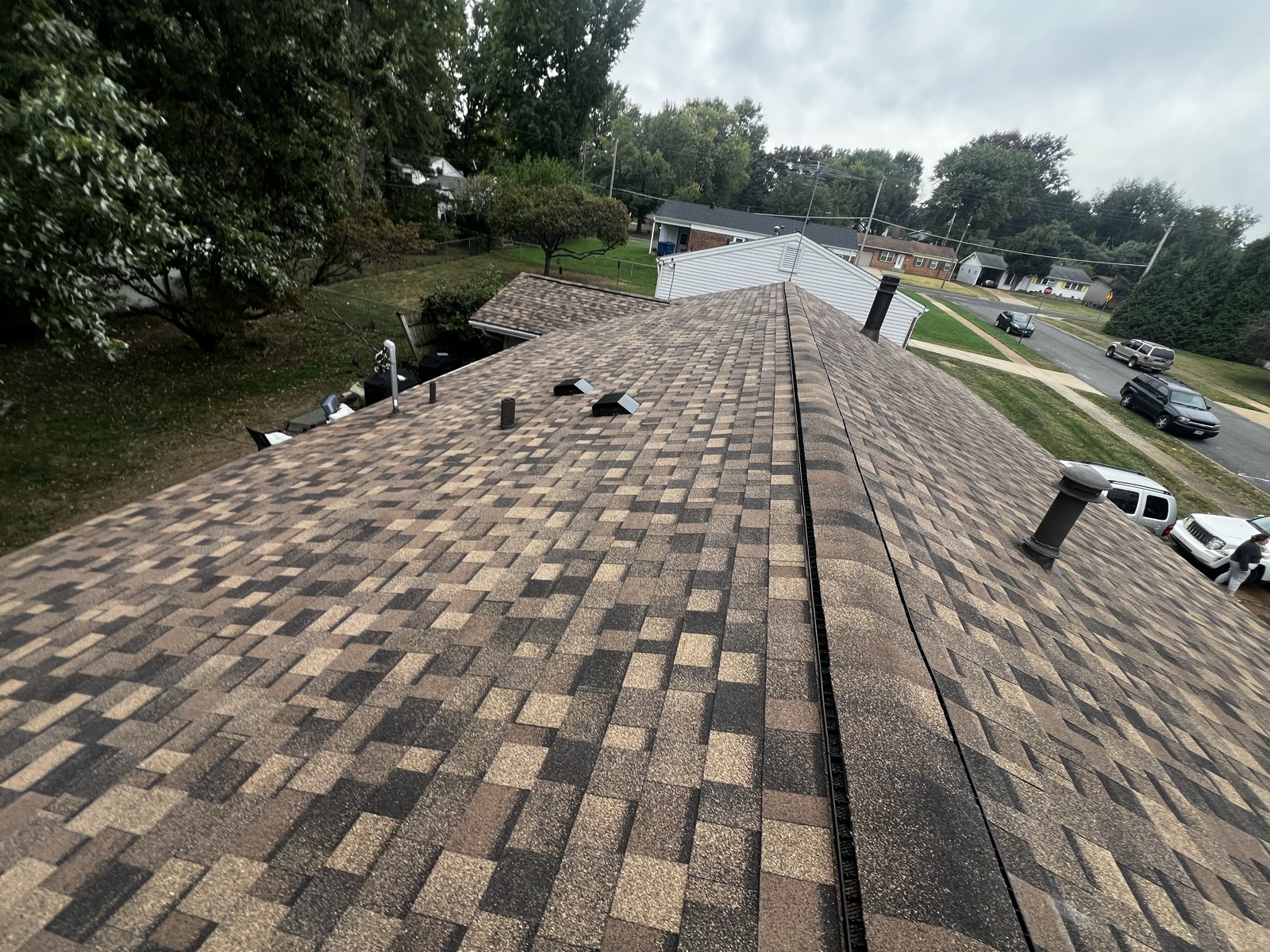
A rushed inspection misses things. We start at the ridge and work our way down to the gutter line, section by section, so nothing gets skipped because it was out of view or out of mind. The order matters as much as the photos themselves. If we photograph the same points on every roof, we can tell you honestly whether what we are looking at is normal wear or something that needs attention now.
Shingles: Where Age and Weather Show First
Shingles take the brunt of everything Missouri weather throws at a roof: sun, hail, wind, and freeze-thaw cycles. On every shingle field we check for granule loss, cracking, curling at the edges, lifted tabs, exposed nail heads, and any mismatched or amateur repairs from past work. Granule loss matters because those granules are the shingle's UV shield. Curling and lifting matter because they are the first entry points for wind-driven rain.
The Ridge Line: Highest Exposure, First to Fail
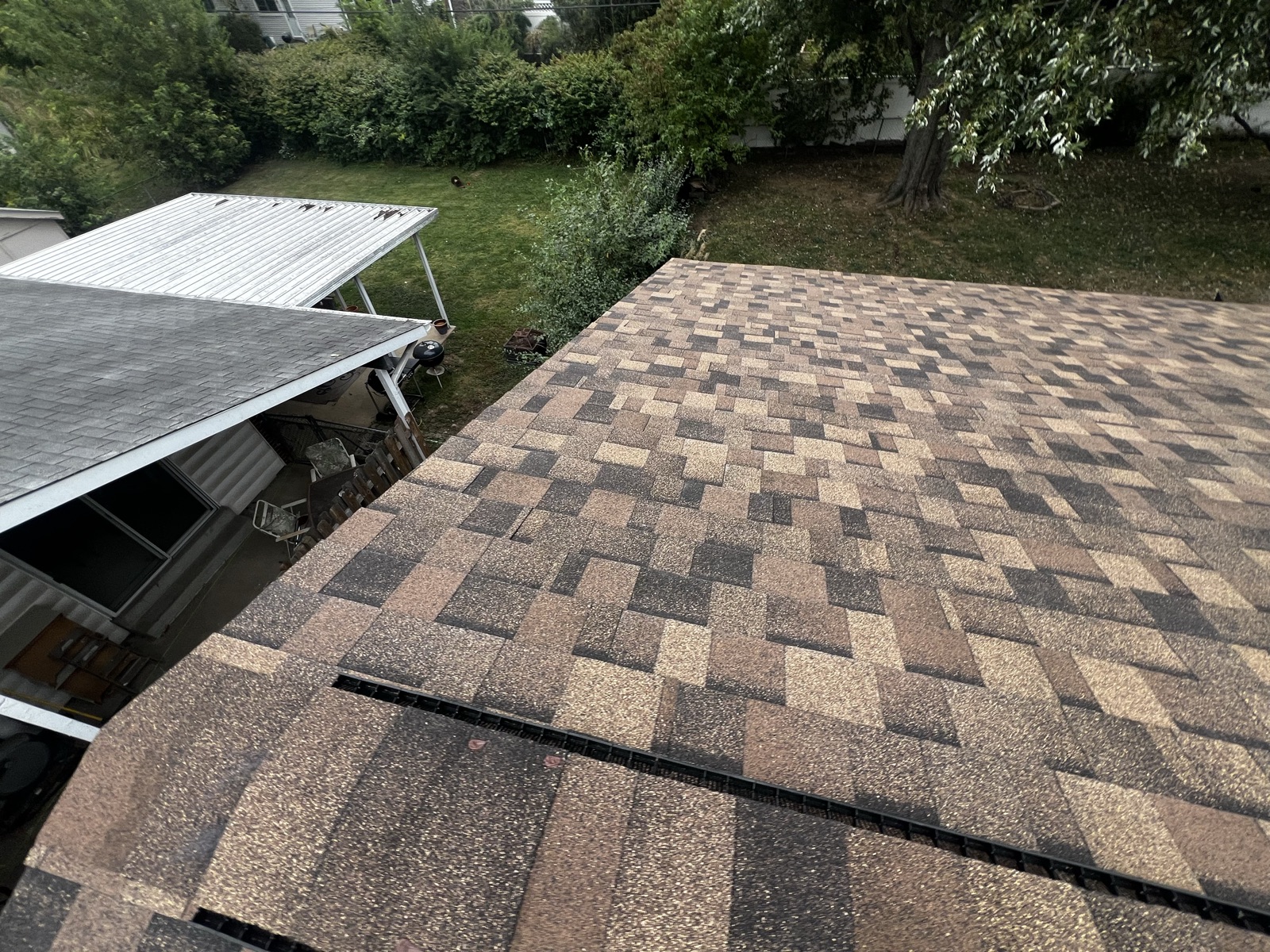
The ridge takes the most direct sun and the most wind of any part of the roof. We check the ridge caps for cracking along the seams, confirm the nailing pattern is holding, and look at how the ridge is ventilating. A ridge that is not sealed and fastened correctly is a slow leak waiting to happen, and it usually shows up in the attic long before it shows up on the ceiling.
Valleys: Where the Most Water Travels
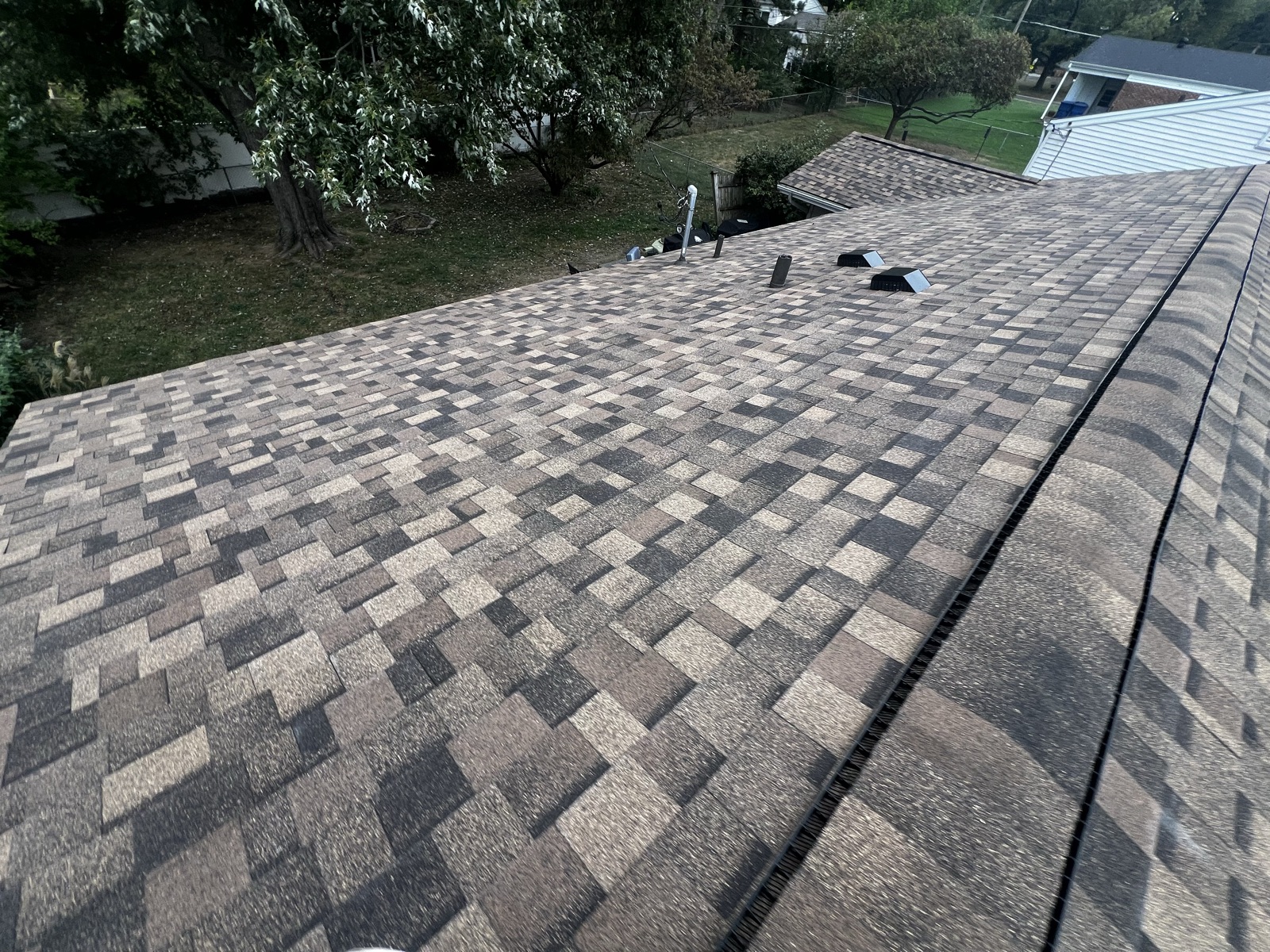
A roof valley carries more water than any other single point on the roof, which makes it one of the least forgiving places for a mistake. We check that the valley flashing is intact, that the shingles running into it are properly cut or woven, and that there is no granule buildup that could dam water during a heavy storm.
Pipe Boots and Penetration Flashing
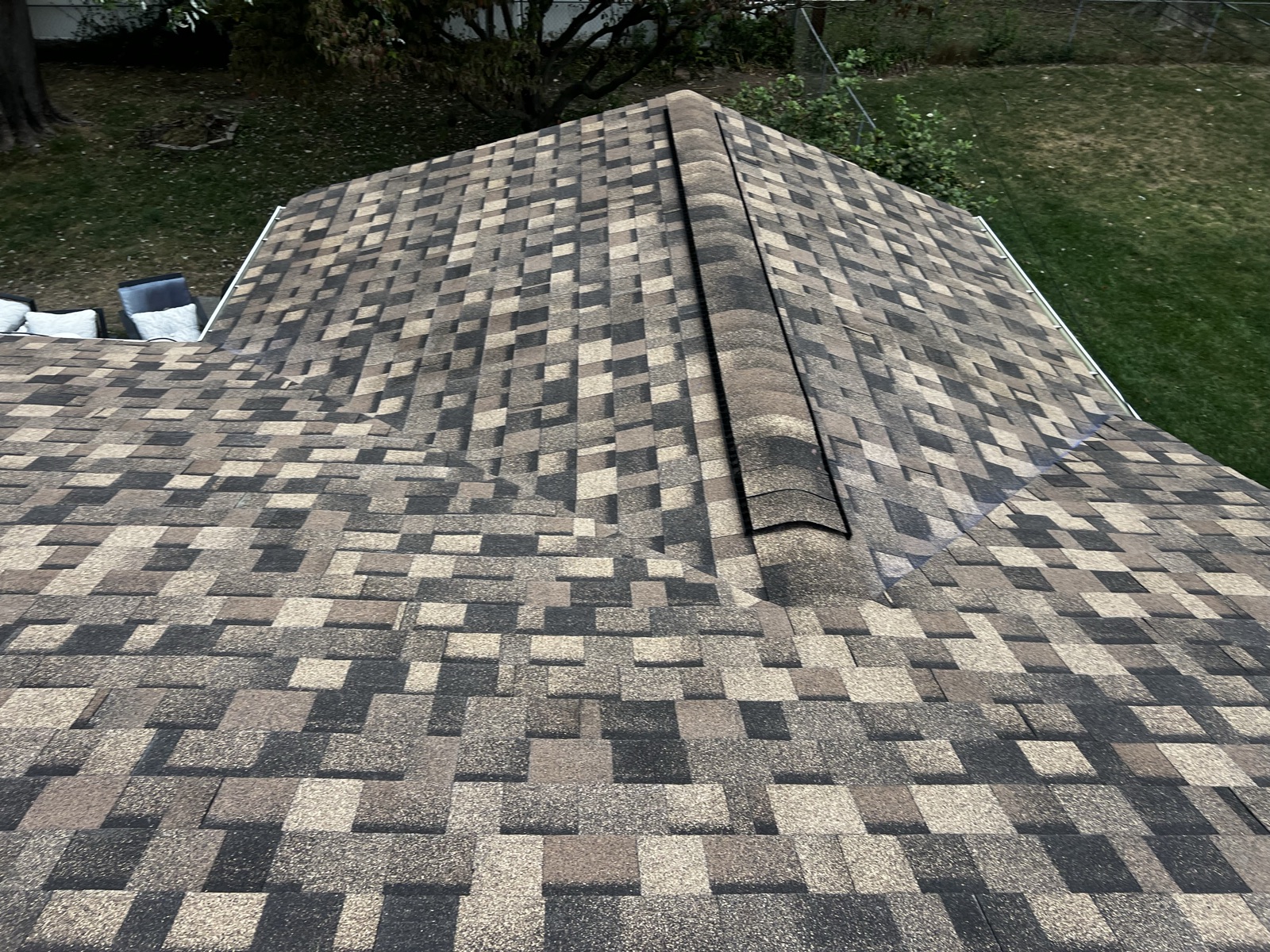
Every pipe, stack, or fixture that passes through the roof deck is a place water wants to get in. The boot around that penetration, whether rubber or plastic, is often the first component to fail on an aging roof, well before the shingles themselves need replacing. We check every boot for cracking, shrinkage, and a proper seal at the base, because a failed boot can leak for a long time before it is visible from inside the house.
Vents: Airflow Protects the Whole Roof System
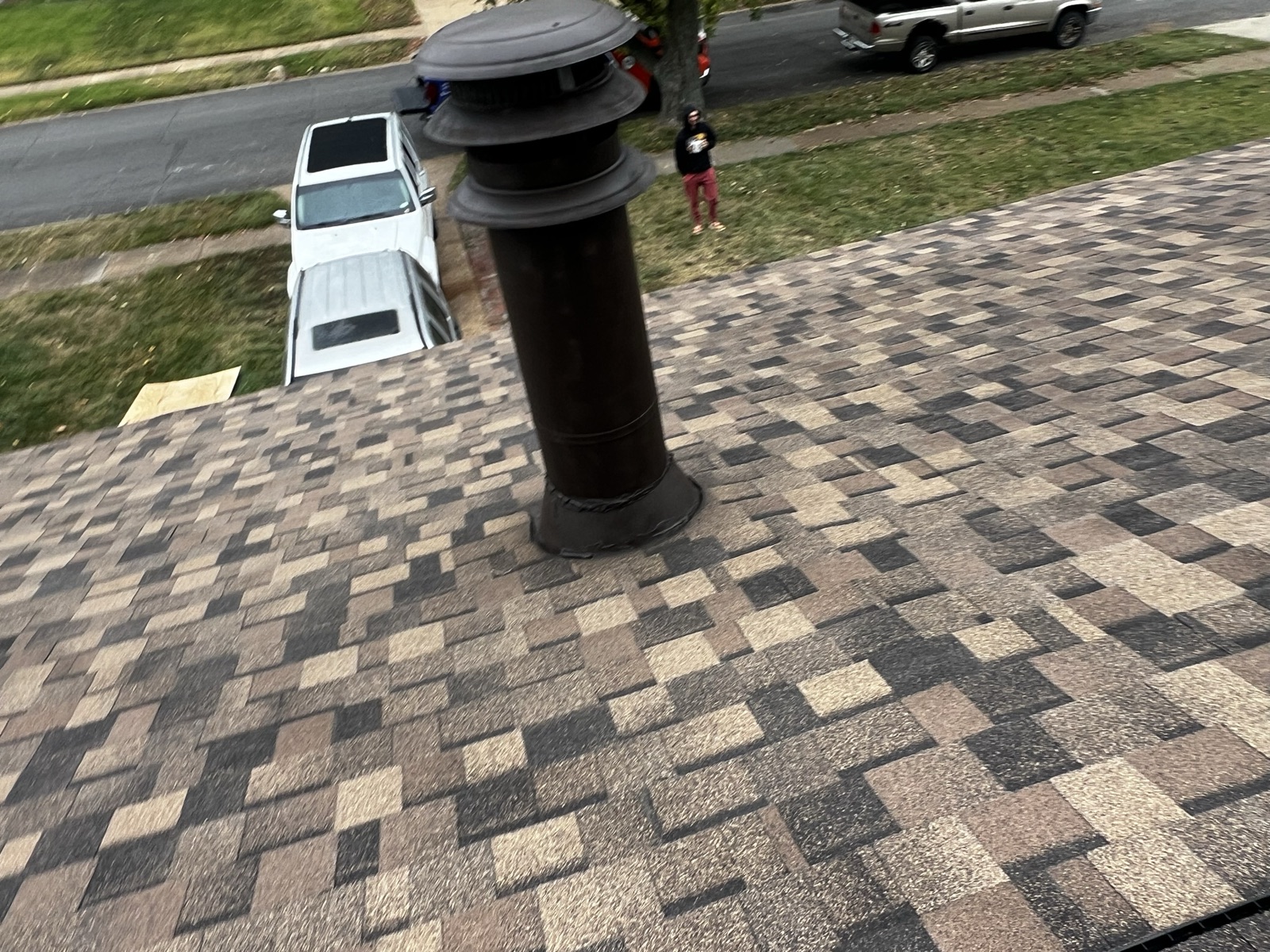
Attic ventilation is not just a comfort issue, it affects how long the roof above it lasts. We inspect vent flashing, screening, and general airflow to confirm that heat and moisture are actually leaving the attic instead of baking the shingles from underneath or feeding condensation into the deck.
Gutters: The First Line of Water Management
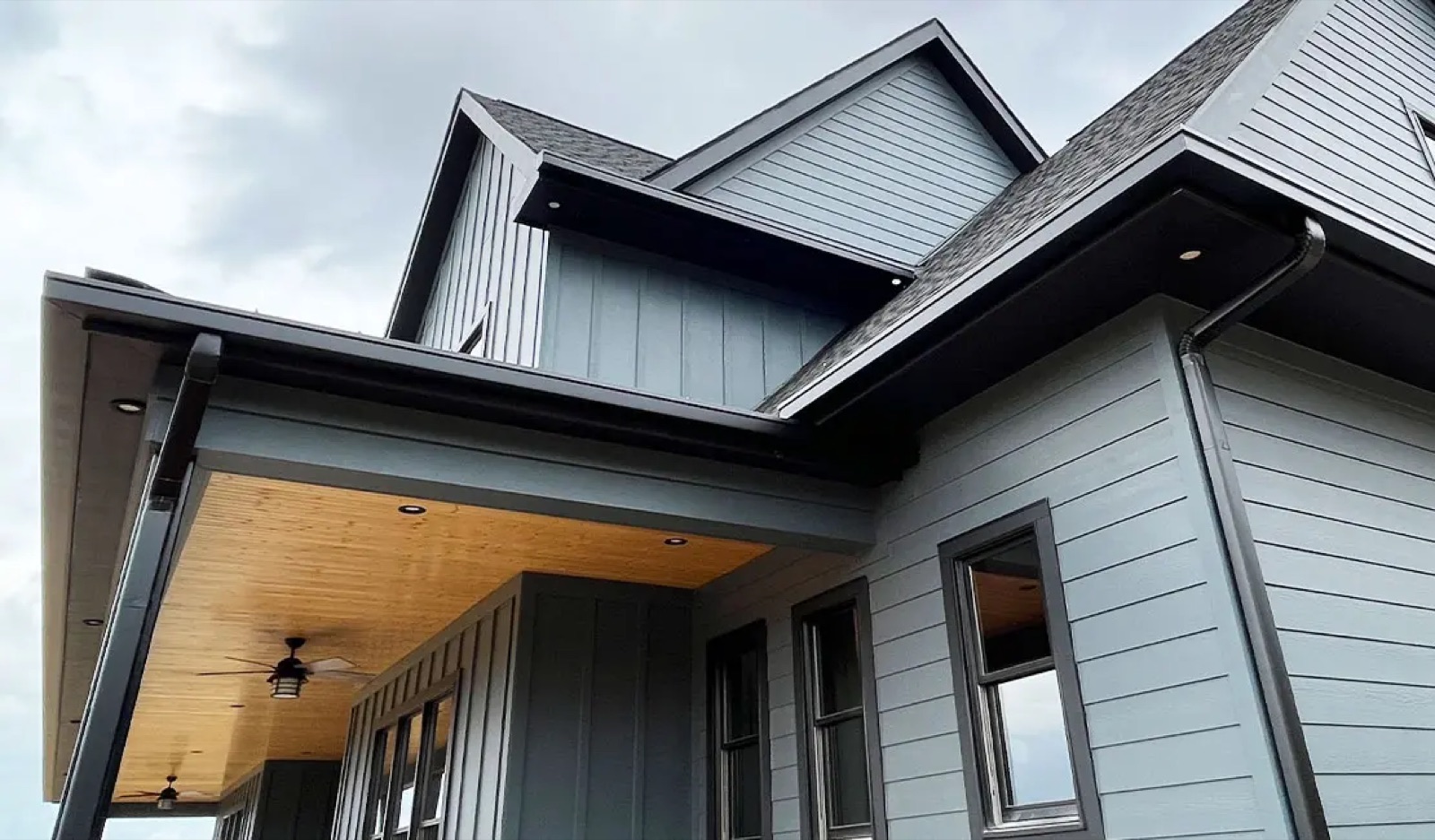
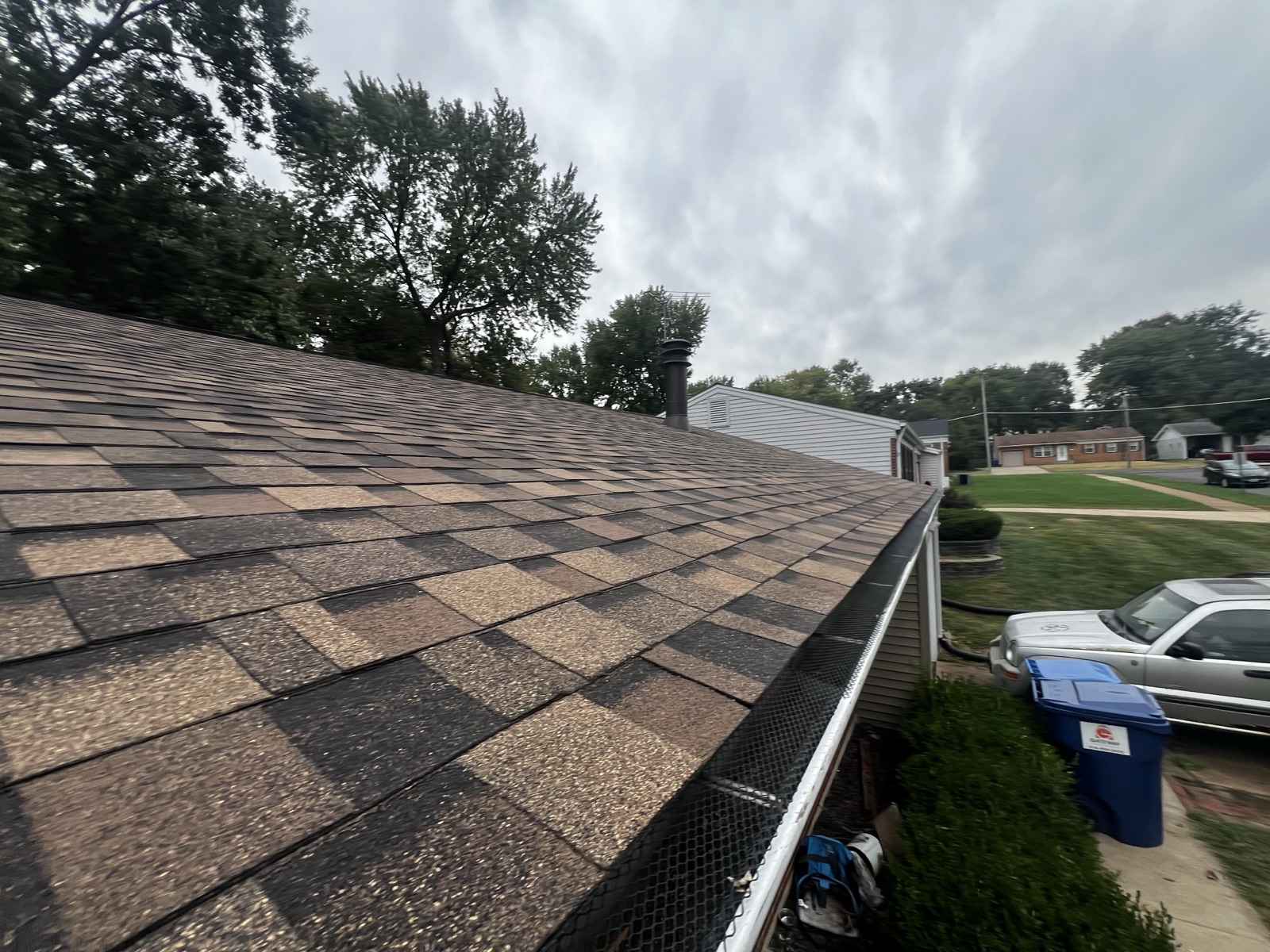
Gutters that are not pitched correctly do not solve a water problem, they just relocate it. We check the pitch, the hanger spacing, the seams, and how much debris is sitting in the run. A gutter full of debris behaves like no gutter at all during a heavy rain.

Downspouts: Getting Water Away From the Foundation
A roof and gutter system that performs perfectly can still cause damage if the downspouts dump water right next to the foundation. We check the discharge points, the condition of any extensions, and whether water is actually being carried away from the house or just moved a few feet and left to pool.
What Happens After the Photos
We go through every photo with the homeowner, plainly, before we talk about scope or cost. If a roof does not need work, we say so. If it does, the photos are the reason, not a sales pitch. That is the standard we hold ourselves to on every inspection we run, whether it is a routine check or a homeowner calling us after a storm.
Want Your Roof Documented Properly?
We inspect roofs across the greater St. Louis area, from Chesterfield and Ladue to Frontenac, Town and Country, Clayton, and Kirkwood.
Or call us directly: (314) 220-2333
Kaleb
Kaleb owns and runs Keys Roofing, serving the greater St. Louis area with roofing, gutter, and downspout work. The company is fully licensed and insured, and Kaleb is on job sites personally, inspecting, documenting, and standing behind the crew's work.