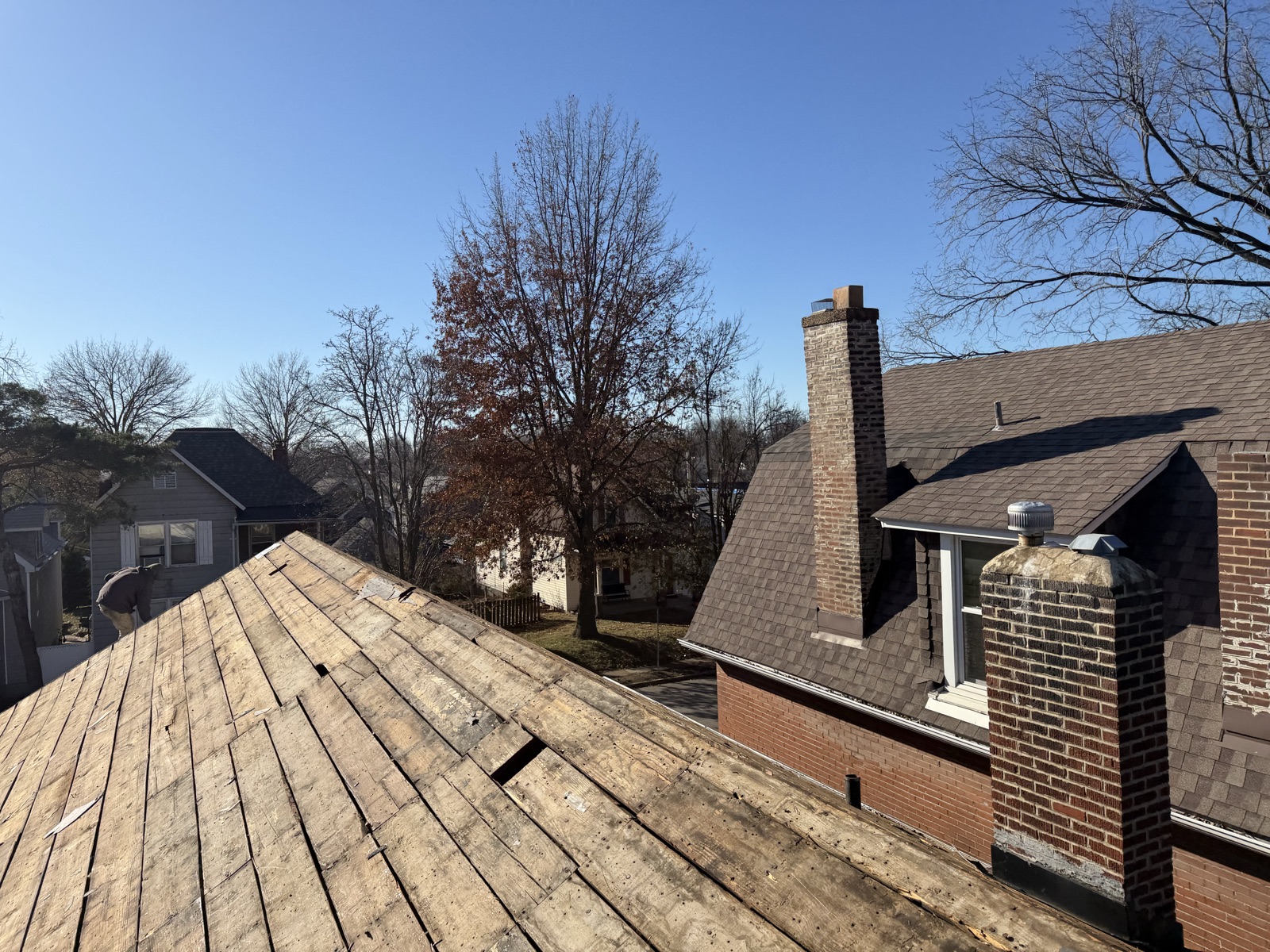
Homeowners ask us fairly often why we do not install whatever shingle brand happens to be cheapest that week. The honest answer is that we made a decision, early on, to standardize on two manufacturers: Atlas and Malarkey. That is not a limitation. It is a discipline, and it is one we stand behind on every roof we put on.
Why We Do Not Install Everything
There are dozens of shingle manufacturers on the market, and a lot of contractors will install whichever one a supplier has on the truck that day. We do not work that way. Standing behind two manufacturers means our crew trains deeply on the install specs, fastening patterns, and flashing details those two product lines actually require, instead of spreading that knowledge thin across a dozen brands we barely know. Consistency in the install is as important as the shingle itself.
Wind Performance, in Categories
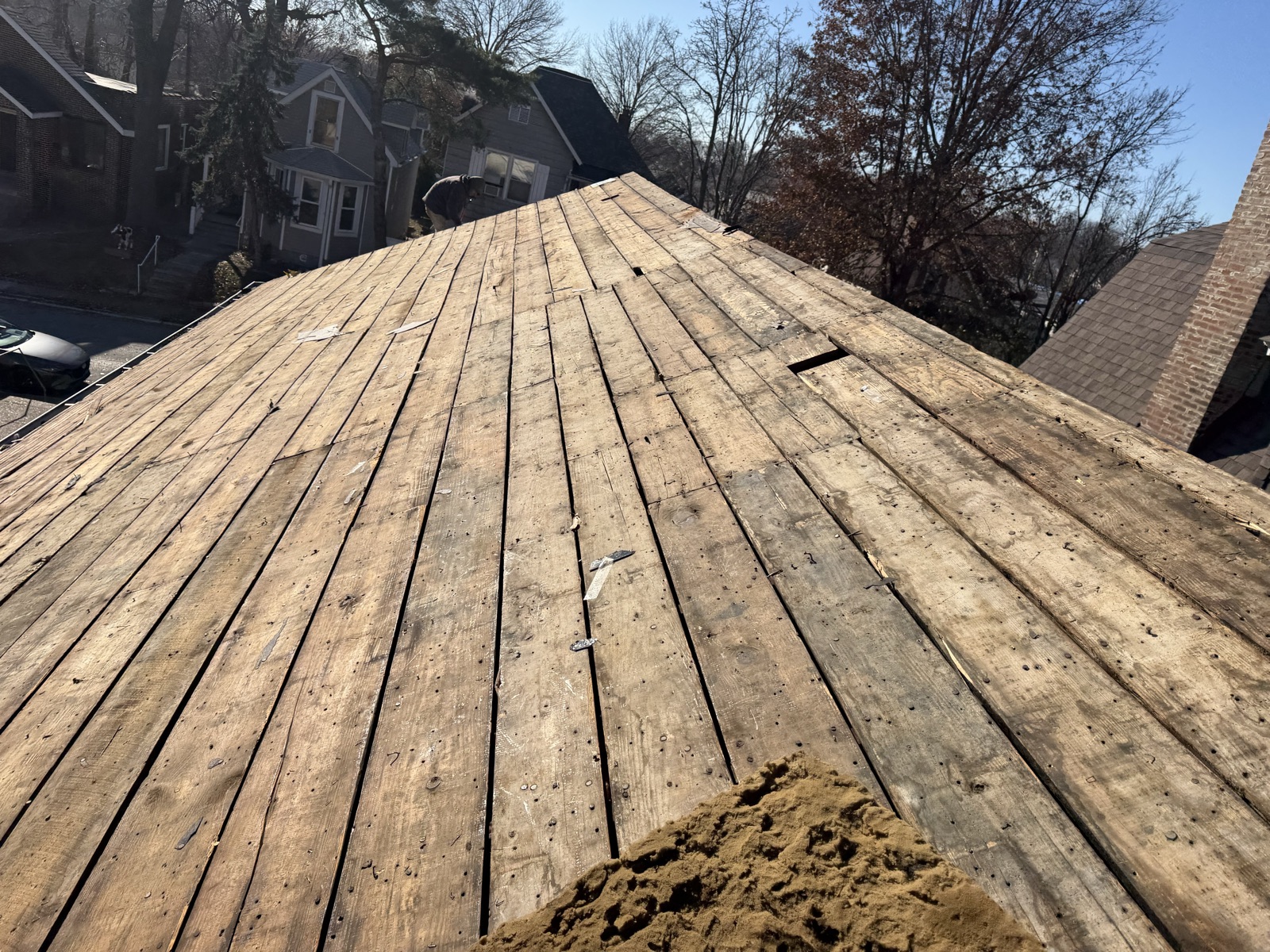
Shingles are tested and rated for how well they resist wind uplift, and manufacturers publish which wind rating class a given product qualifies for based on the fastening pattern used during installation. Missouri sees real wind exposure, so this is not a marketing point for us, it is a practical one. We follow the fastening pattern each manufacturer specifies to keep the shingle in its rated class, not a shortcut version of it.
We are not going to quote you a specific wind rating number in a blog post, because the rating that applies depends on the exact product line and fastening pattern used on your roof, and those details can change between product runs. Ask us for the current spec sheet for your project and we will walk through it with you.
Polymer-Modified Asphalt, as a Category
Many premium shingle lines, including the ones we install, use asphalt that has been modified with polymers, meaning rubber or plastic compounds blended into the asphalt itself. As a category, polymer-modified asphalt tends to stay more flexible across temperature swings and holds up better to impact than standard asphalt. That matters in a climate that swings from summer heat into winter freeze, the way St. Louis does every year.
We are speaking to the category here on purpose. The exact formulation and performance claims for any specific product line belong on that manufacturer's spec sheet, not in a general explanation, and we would rather point you to the current documentation than quote a number that could be outdated.
Warranty Support as a Concept
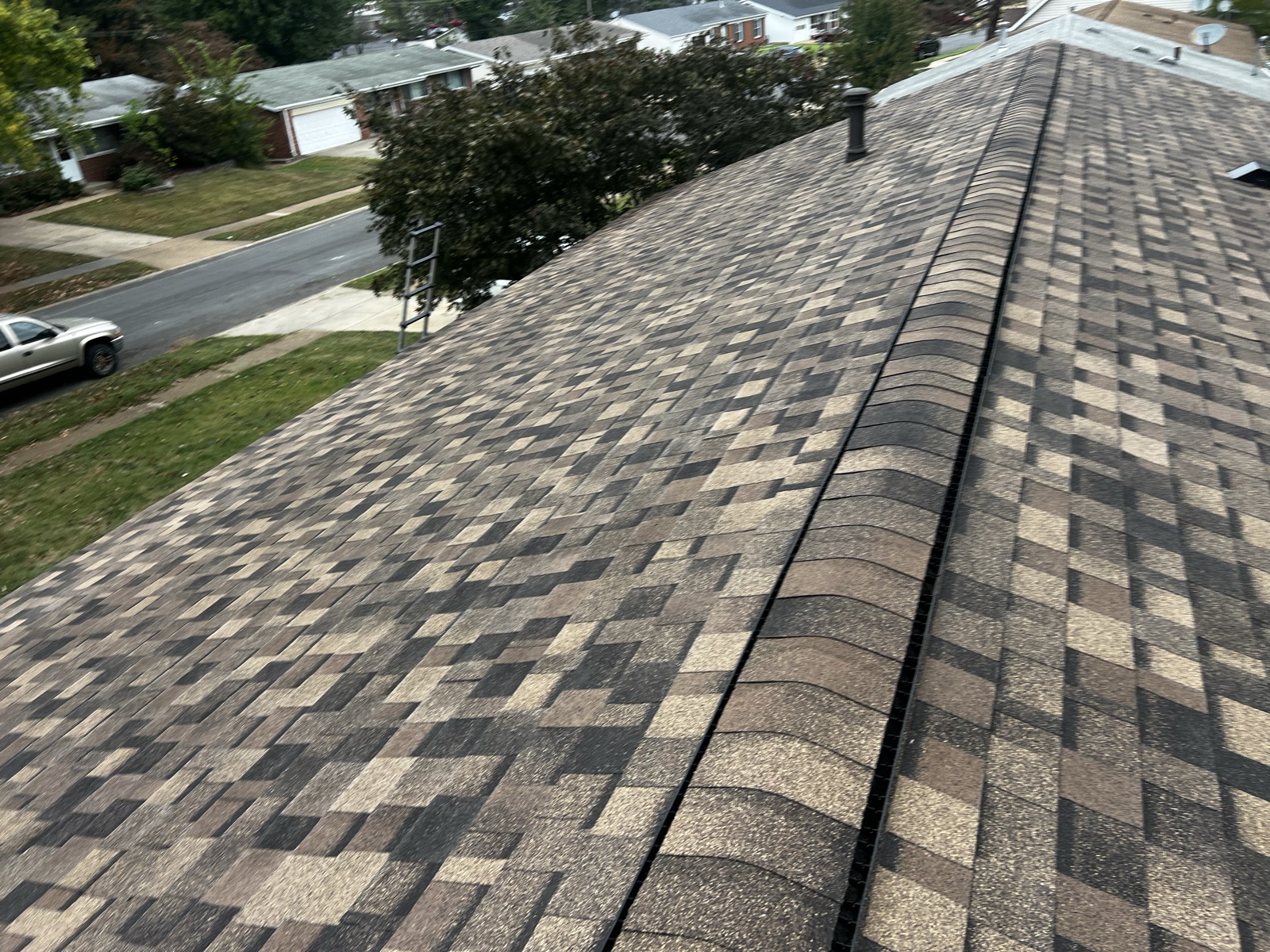
Being a recognized installer for a shingle manufacturer generally ties into how that manufacturer handles warranty support and claims. It also means installation errors on our end can put a material warranty at risk, which is exactly why we do not cut corners on fastening, ventilation, or flashing integration during the install. We take that responsibility seriously because the homeowner is the one who has to live with the result.
The specific warranty terms, coverage periods, and transferability rules are set by the manufacturer and can change. Ask us for the current spec sheet and warranty documentation for Atlas or Malarkey and we will give you the real, current answer rather than a number we cannot stand behind.
What This Looks Like on the Roof
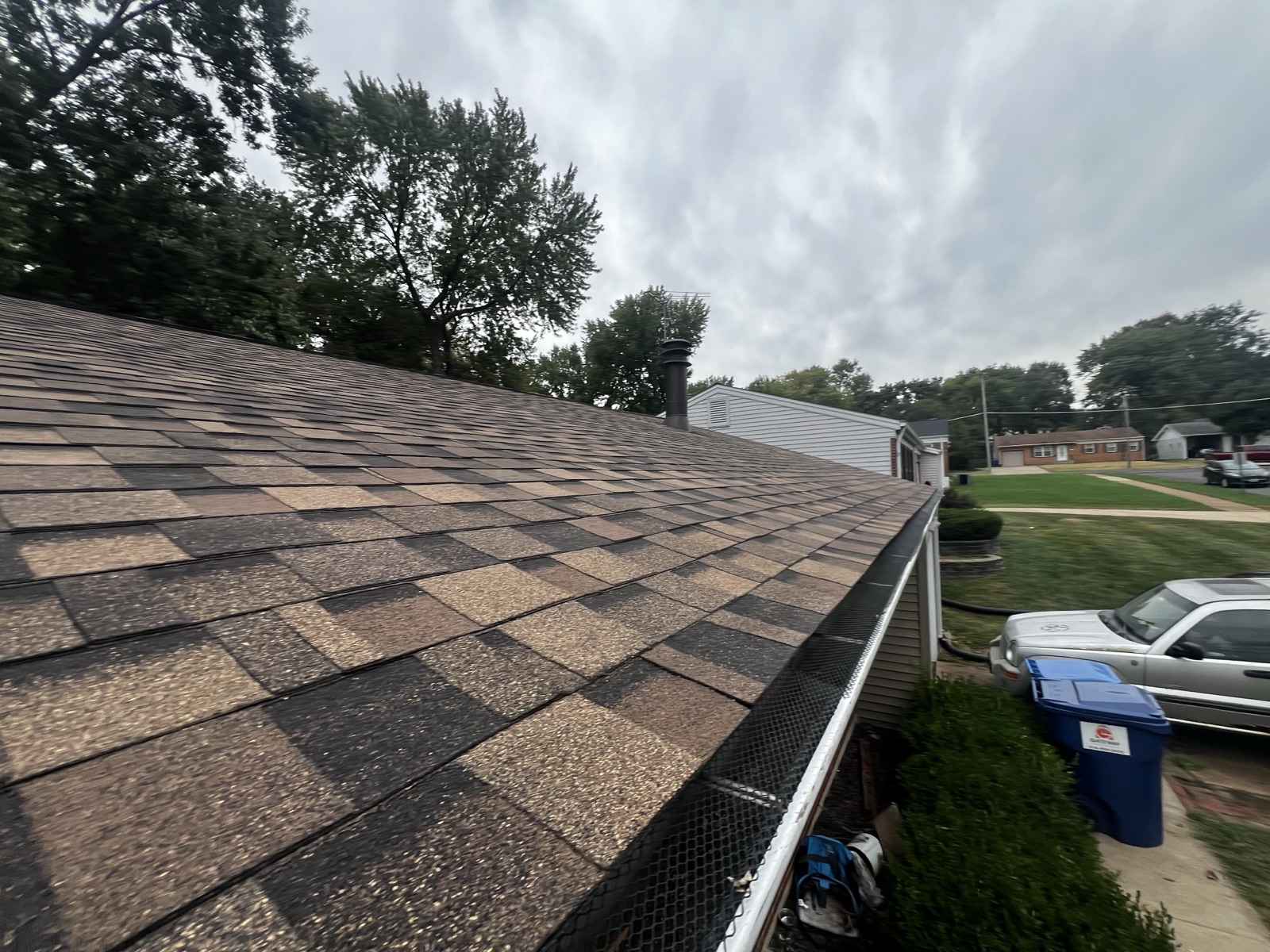
In practice, standardizing on two manufacturers means our crew is not guessing at nailing patterns, starter strip placement, or ventilation requirements from job to job. It means our safety practices, harnesses, tie-offs, and fall protection, stay consistent because the crew is not relearning a new installation system every other week. And it means when we tell a homeowner their roof was installed to spec, we mean it, because we know that spec cold.
Ready to Talk Materials for Your Roof?
We install Atlas and Malarkey shingles across the greater St. Louis area, including Chesterfield, Ladue, Frontenac, Town and Country, Clayton, and Kirkwood.
Or call us directly: (314) 220-2333
Kaleb
Kaleb owns and runs Keys Roofing, serving the greater St. Louis area with roofing, gutter, and downspout work. The company is fully licensed and insured, and Kaleb is directly involved in material selection and installation standards on every project.