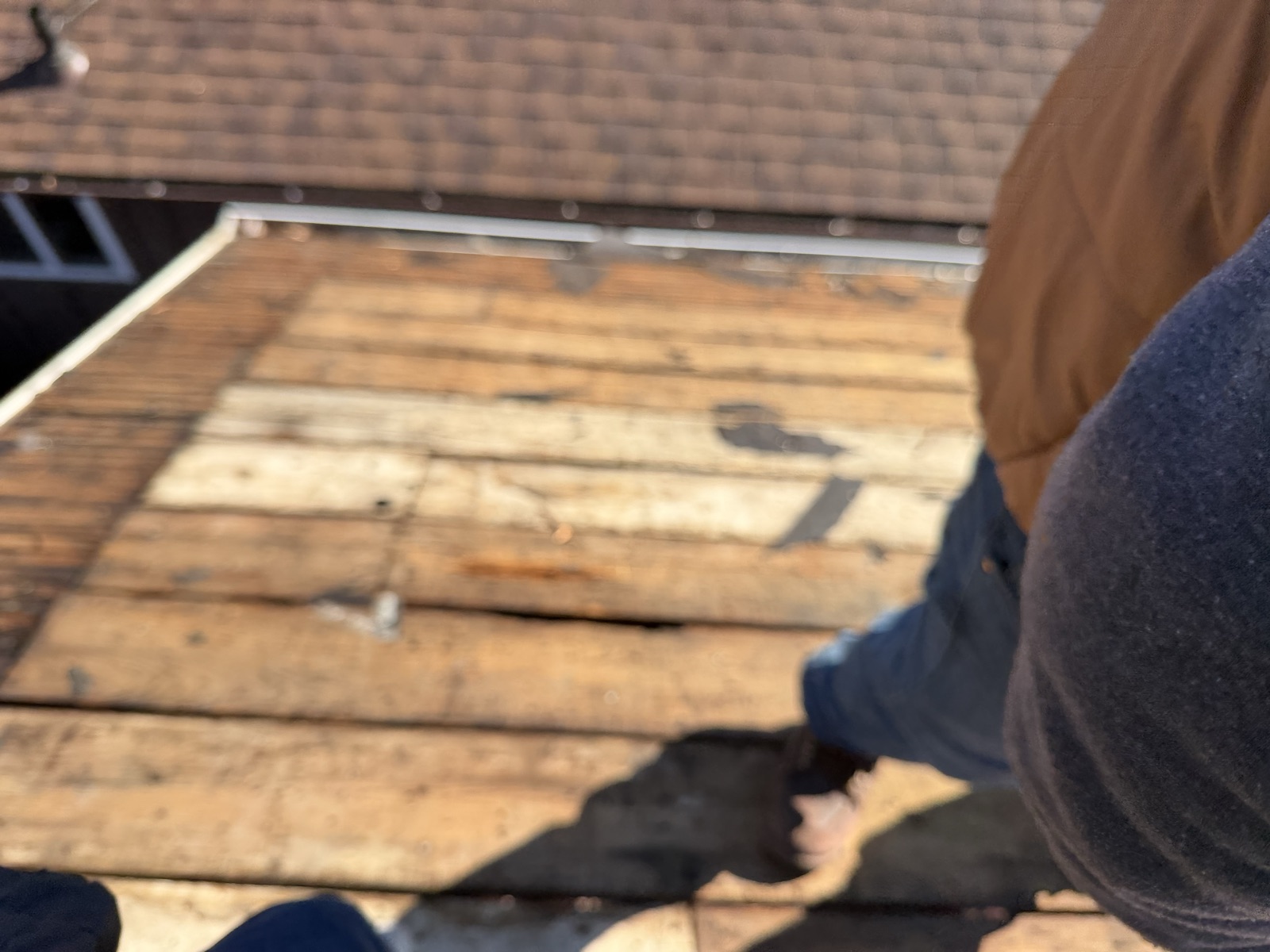
Within days of any decent-sized hailstorm in the St. Louis area, the yard signs sprout and the door knocking starts. Some of the people knocking are legitimate local companies working their own backyard. Some are crews that follow storms across several states, sign everything they can, build as fast as possible, and are gone before the first callback. Homeowners deserve to know how to tell the difference, so here it is, from someone who competes with both kinds.
How the Storm-Chaser Model Works
Understand the business model and the behavior makes sense. A storm-following operation makes its money on volume in a short window. That means signing as many contracts as possible while the damage is fresh, building with whatever labor can be hired quickly, and moving to the next storm market before workmanship problems surface. None of that requires bad intentions by any individual salesperson, but the structure itself means one thing for you: when your roof has a problem in year three, the company that built it is a phone number in another state, if the number still works.
A roof is not a one-day transaction. It is a relationship with whoever stands behind the workmanship, for as long as you own the house. The single most important thing you are choosing when you pick a contractor is whether that relationship will exist in five years.
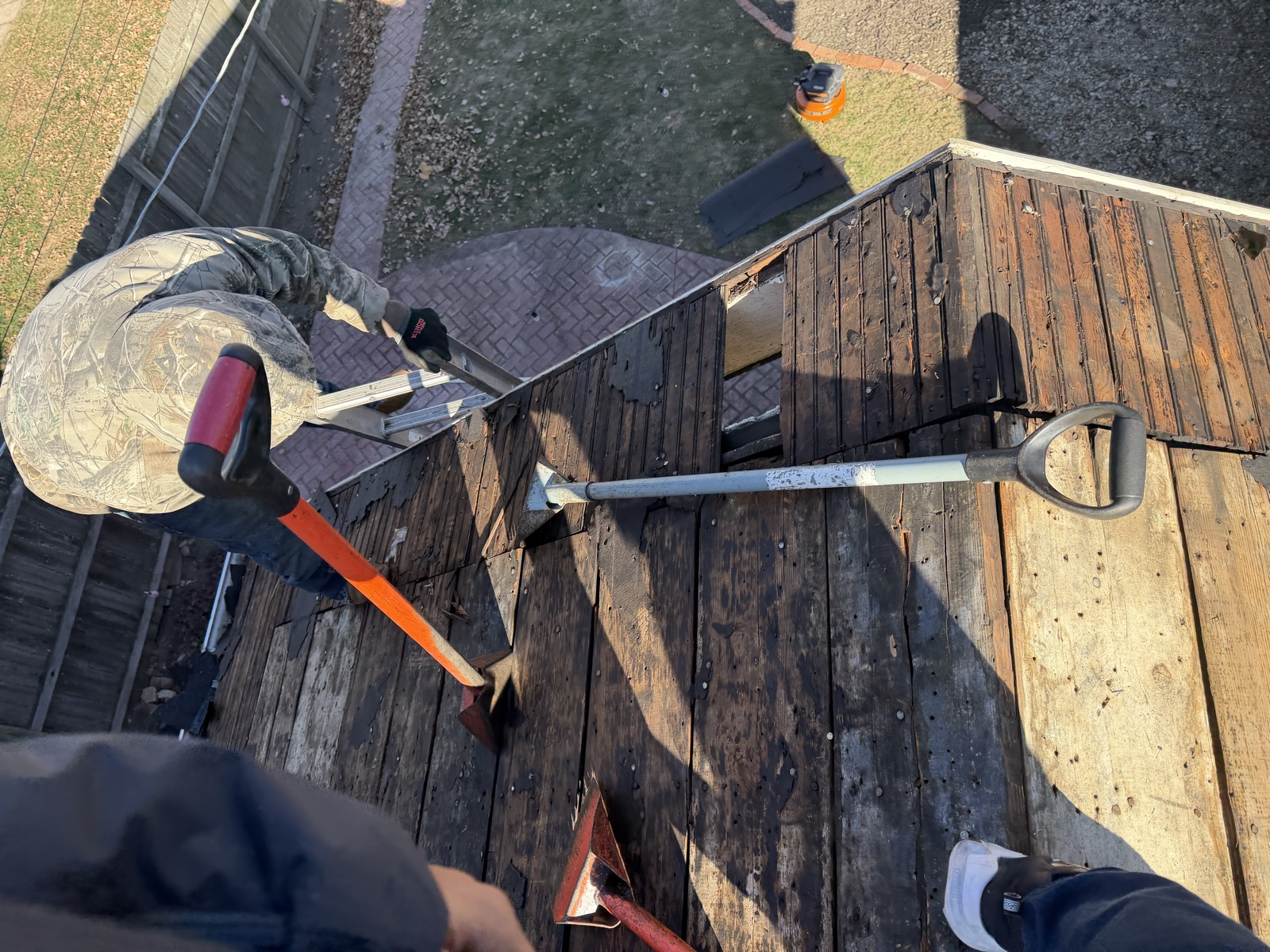
Questions That Sort Honest from Fast
- Where is your office? Not a P.O. box, not a phone area code: a physical location in this metro you could drive to. Ask how long they have operated here under this company name, because serial name changes are their own answer.
- Who exactly is doing the work? Employees or subcontracted crews, and who supervises the site. There are excellent subcontract crews in this industry, but the contractor should answer plainly, not dodge.
- Show me proof of insurance and licensing. Liability coverage, workers' compensation, and whatever licensing your municipality requires. Honest companies carry this paperwork and produce it without friction, the same way they handle permits.
- Give me local addresses you roofed more than a year ago. Fresh jobs prove nothing. Roofs a few winters old, on streets you can drive, prove a lot.
- Put the workmanship warranty in writing. Who backs it, for how long, and what it covers. A warranty is worth exactly as much as the odds the company exists when you call it in.
The Red Flags That End the Conversation
Some things should stop the conversation on the spot. An offer to "cover" or "waive" your deductible is the big one. Missouri law prohibits it, and we explained why the money has to come out of your job somewhere in our post on deductibles. Pressure to sign anything today, especially a contingency agreement presented as "just paperwork to look at your roof," is another. So is a demand for a large deposit before any material shows up, and so is a contractor who claims your roof is totaled without walking it, photographing it, and showing you what they found.
What Honest Looks Like
An honest storm inspection has a shape you can recognize. The roof gets walked and photographed, the photos get shown to you with a plain explanation, and sometimes the answer is that your roof is fine, because sometimes it is. We described the whole approach in what we look for after hail. Nobody honest is offended by you taking a day to think, checking references, or getting a second opinion. The roof is not going anywhere, and neither is a legitimate local company.
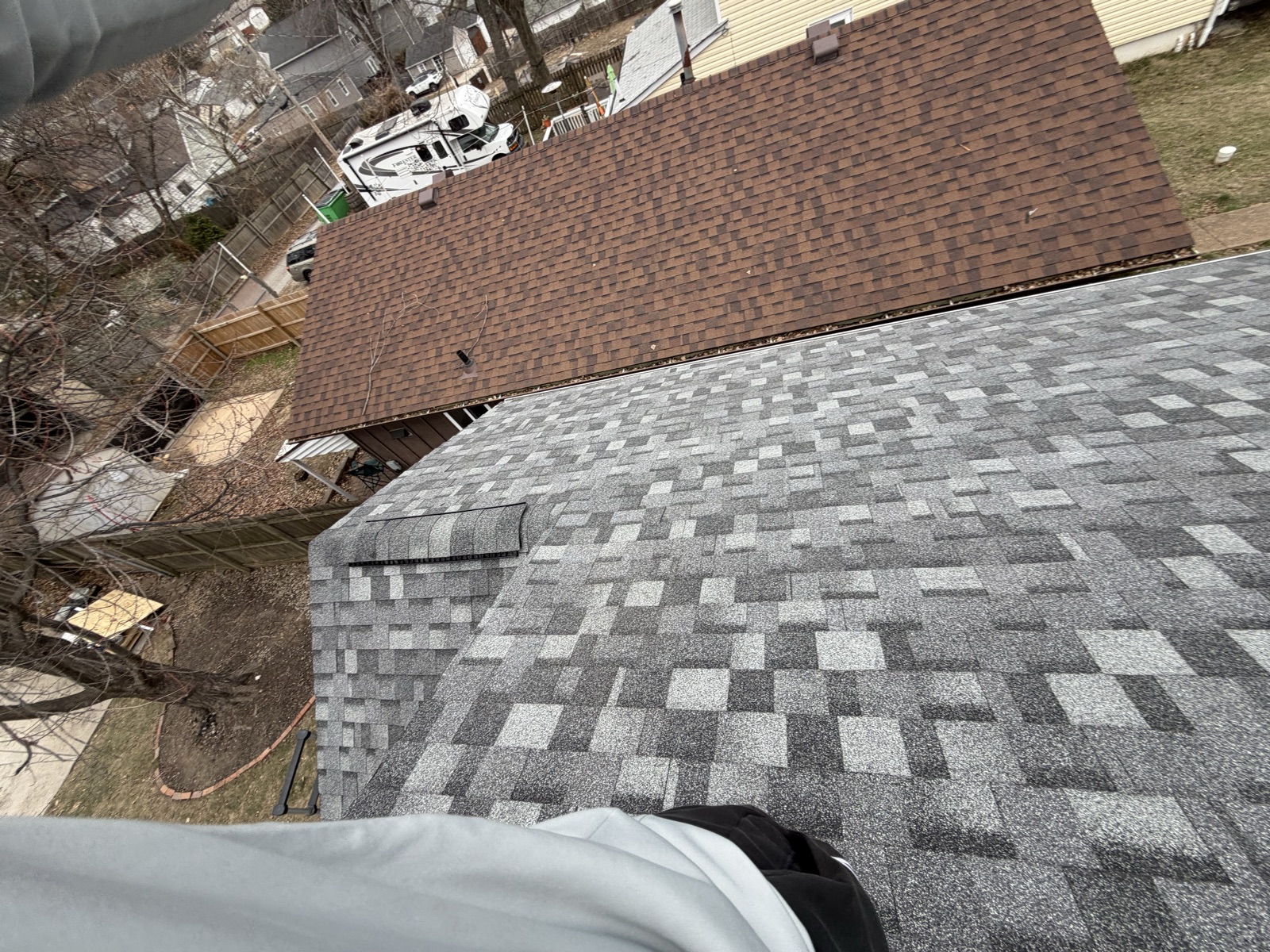
Slow Down. You Have Time.
The pitch at your door is built on urgency, but the truth is you have time. Storm damage does not have to be signed away the same week, and insurance claims allow time for you to choose your own contractor. You are never required to use the company that got to your doorbell first. Take the week. Ask the questions above. Whether you call us or another established local outfit, choose a company whose plan is to still be here when the next storm comes through, because that is the company that has to stand behind your roof in the meantime.
Want a Local Opinion Before You Sign Anything?
We give straight answers on storm damage across the greater St. Louis area, from Chesterfield and Ladue to Frontenac, Town and Country, Clayton, and Kirkwood.
Or call us directly: (314) 220-2333
Kaleb
Kaleb owns and runs Keys Roofing, serving the greater St. Louis area with roofing, gutter, and downspout work. The company is fully licensed and insured, and it will still be here, in St. Louis, long after this storm season ends.