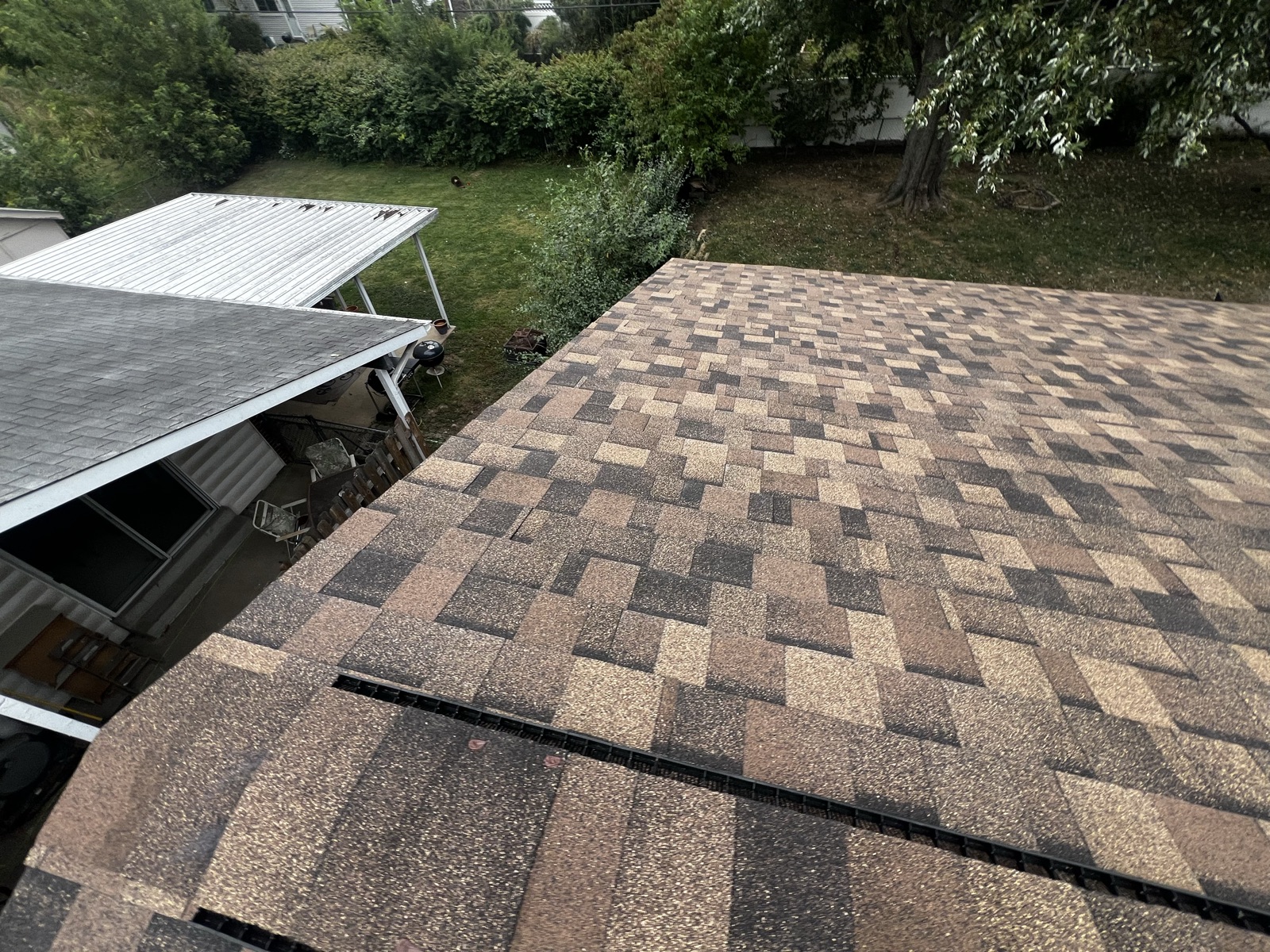
We already wrote about how to be ready for the adjuster meeting. This post is the other half of that conversation: what the adjuster is actually doing up there. Once you understand what they are evaluating, the whole claim stops feeling like a mystery and starts making sense as a process.
A quick note on posture. The adjuster is not your enemy. Most of the ones we meet on roofs around St. Louis are doing an honest job under a heavy workload. Our role in that meeting is making sure the evidence on the roof gets seen, documented, and counted, because a busy adjuster on a tight schedule can miss things. Missed evidence, not bad faith, is what shortchanges most claims.
The Test Square
The standard method for assessing hail on a shingle roof is the test square: a marked-off section, typically ten feet by ten feet, on each slope of the roof. The adjuster counts qualifying hail impacts inside that square, and the count per square helps determine whether a slope, or the whole roof, qualifies for replacement. Different carriers apply different thresholds, so we will not quote you a magic number, but the mechanism matters: the damage has to be found and counted inside those squares. This is why our own inspection happens first, so we already know which slopes carry the evidence and can make sure the squares get drawn where the story is.
What a Real Hail Bruise Looks Like
The adjuster is trained to separate true hail impact from everything else a shingle can do as it ages. A genuine hail bruise typically shows displaced granules with a soft, crushed mat underneath, and impacts scattered in a random pattern, because hail does not fall in straight lines. What they are ruling out: blistering from heat, mechanical scuffs from foot traffic, and normal granule loss from age. This distinction is exactly why we photograph closely and honestly, which we covered in what we look for after hail. If the marks on your roof are blisters and not bruises, we will tell you that before you ever file.
Soft Metals: The Truth-Tellers
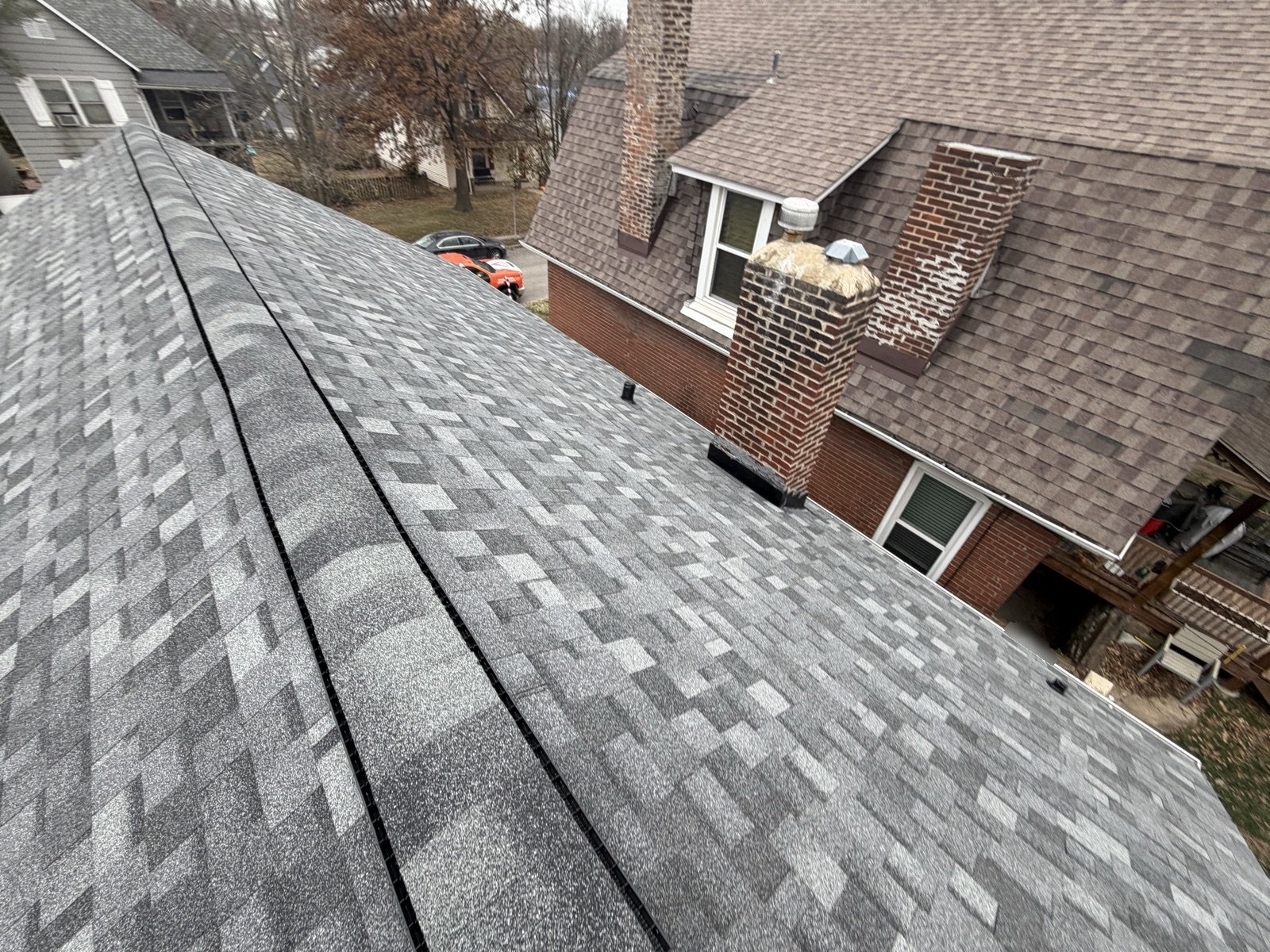
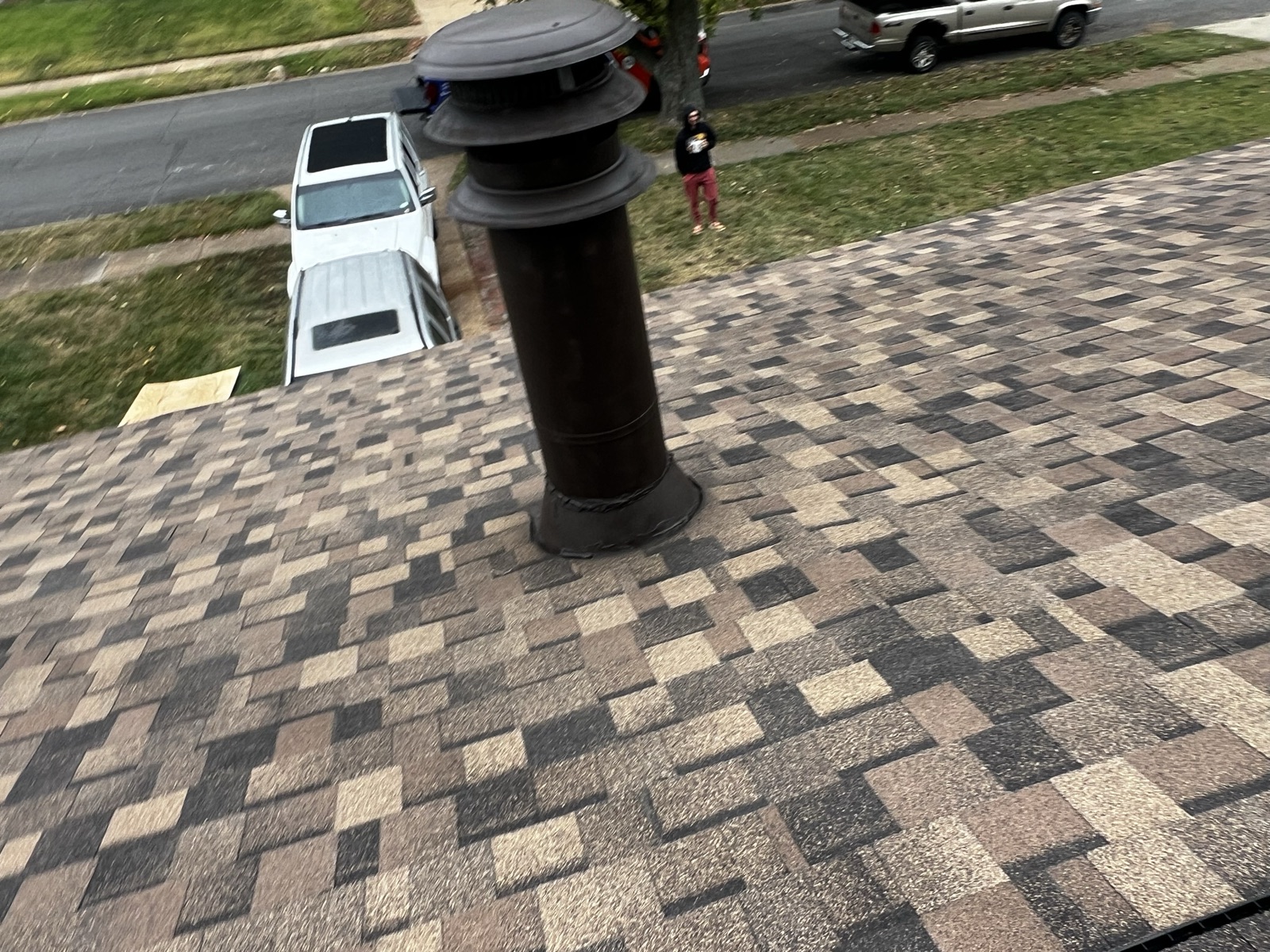
Here is something most homeowners do not know: some of the most persuasive hail evidence on your roof is not in the shingles. It is in the metal. Vents, flashing, gutters, downspouts, and window screens are softer than shingles and hold dents at hail sizes that shingles can shrug off. Adjusters check these soft metals because they are honest witnesses: a field of dents in the ridge vent and gutter tops confirms that meaningful hail hit this specific roof, which supports what the test squares show in the shingle field.
Collateral Damage Around the Property
The inspection does not stop at the roof line. Adjusters look at what we call collateral: dents in the AC condenser fins, marks on fences and decks, damaged window screens, dings in siding and painted metal. Collateral damage helps establish the storm's direction and intensity at your address specifically, not just in your zip code. When we document a roof after a storm, we photograph the collateral too, for exactly this reason.
Wind Damage Is Its Own Category
Hail gets the headlines, but the adjuster is also evaluating wind: creased shingles from tabs folding back, torn or missing tabs, and broken sealant bonds. Wind evidence follows a different pattern than hail. It concentrates on the slopes and edges that faced the weather, and along ridges and rakes where uplift is strongest. A roof can fail from wind with barely a hail mark on it, and both are storm damage under most policies. The adjuster is sorting out which mechanism did what, because it affects how the scope gets written.
Why This Matters to You
Everything above is evidence-based, which cuts both ways. If the evidence is on the roof, a properly attended inspection will find it and the claim stands on solid ground. If it is not there, no amount of salesmanship should invent it, and you should be suspicious of anyone who promises otherwise. Our job is making sure real damage gets fully seen and fully counted. Get the roof documented before the adjuster arrives, and the meeting becomes a walkthrough of facts instead of a debate.
Want Us on the Roof for Your Adjuster Meeting?
We attend adjuster inspections with homeowners across the greater St. Louis area, from Chesterfield and Ladue to Frontenac, Town and Country, Clayton, and Kirkwood.
Or call us directly: (314) 220-2333
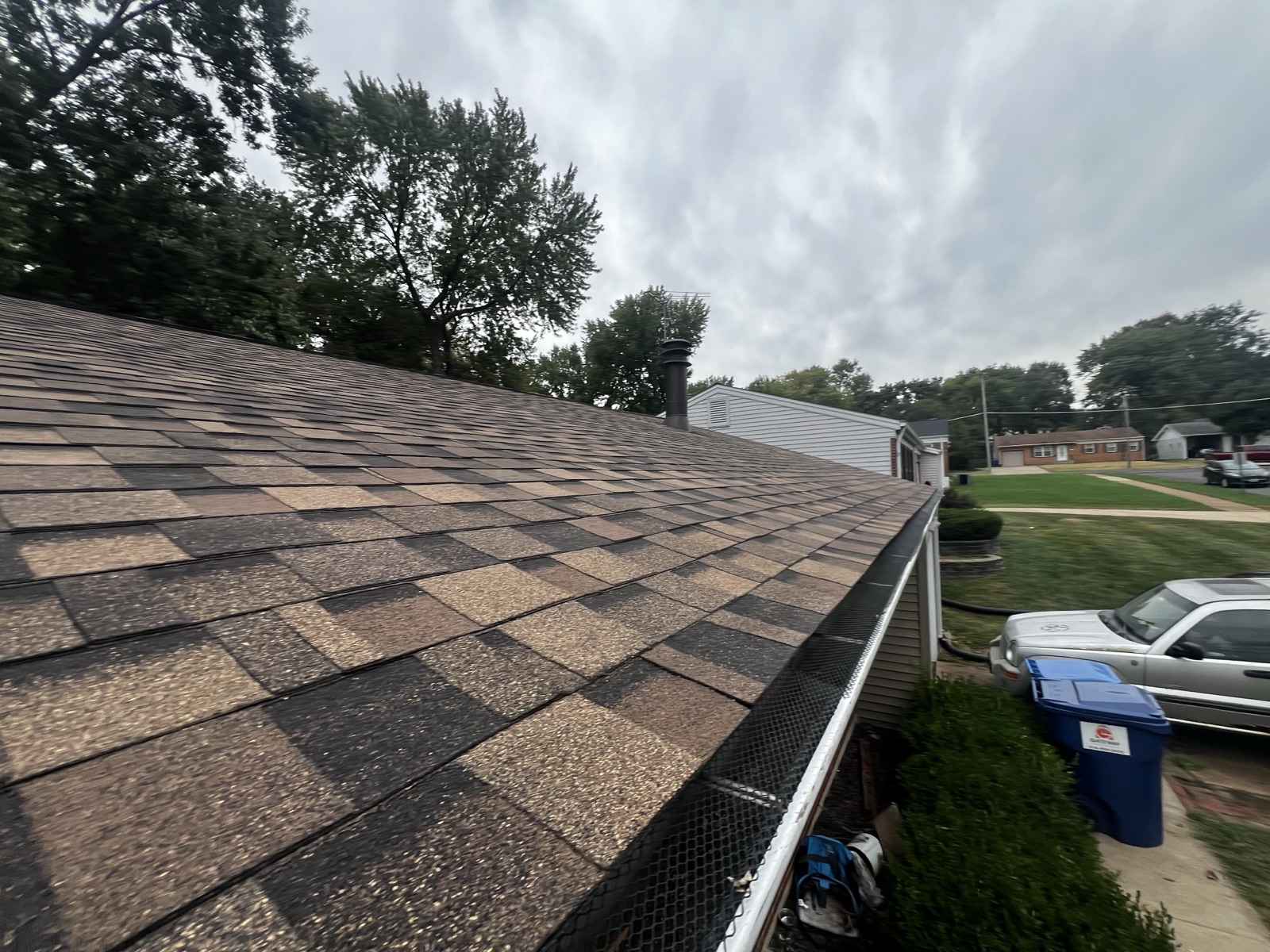
Kaleb
Kaleb owns and runs Keys Roofing, serving the greater St. Louis area with roofing, gutter, and downspout work. The company is fully licensed and insured, and Kaleb walks adjuster meetings alongside homeowners regularly.