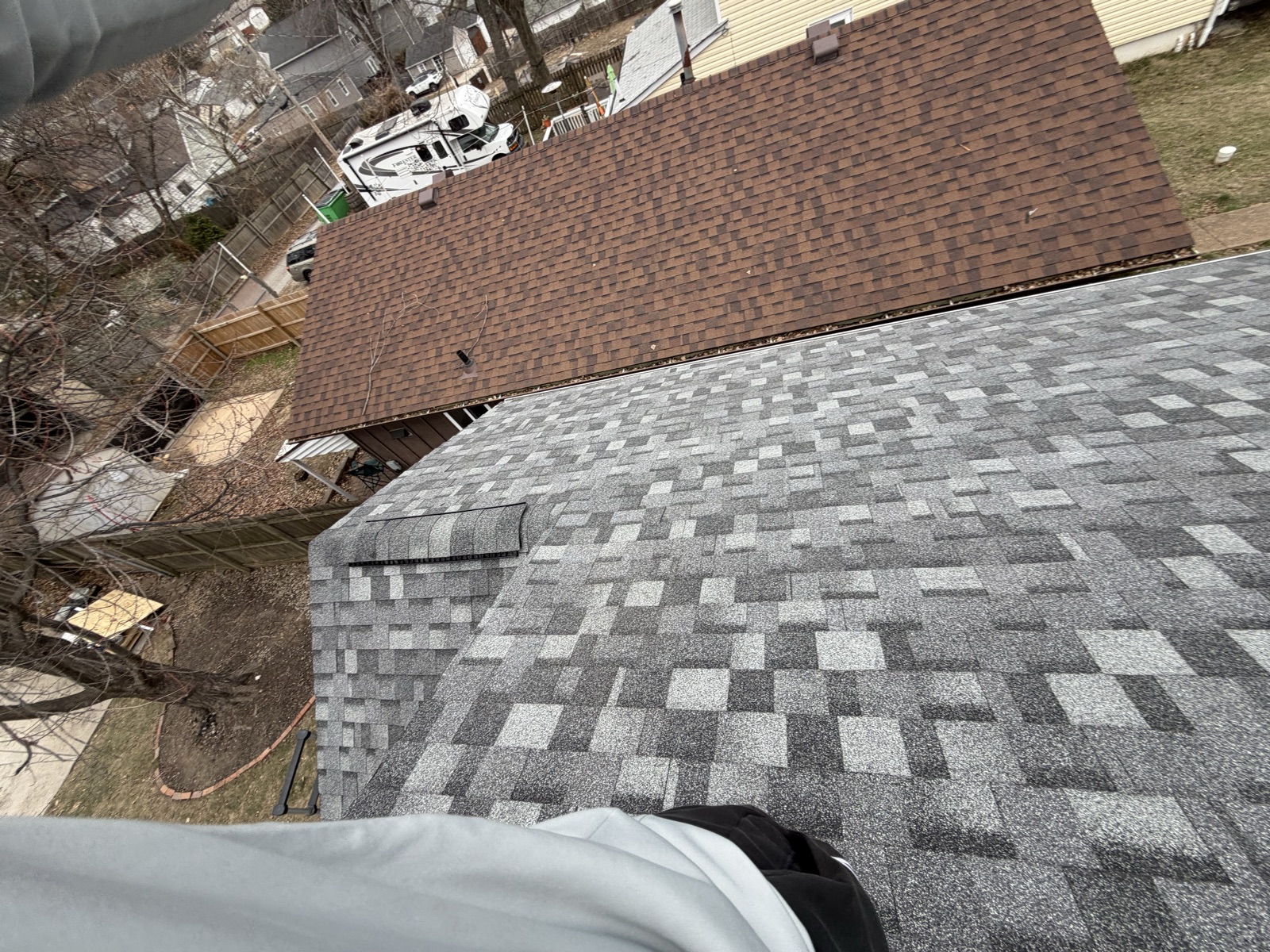
The insurance process is where most homeowners feel lost after a hailstorm, and honestly, that is fair. It has its own vocabulary, its own order of operations, and a few steps where money gets left on the table if nobody explains them. Our office works inside this process every single week, so here is the whole thing laid out in plain order, start to finish.
One thing before we start: every policy and every carrier is a little different. Timelines vary, terms vary, and your policy documents are the final word on your coverage. What follows is the general shape of how these claims go.
Step One: An Honest Inspection, Before You File
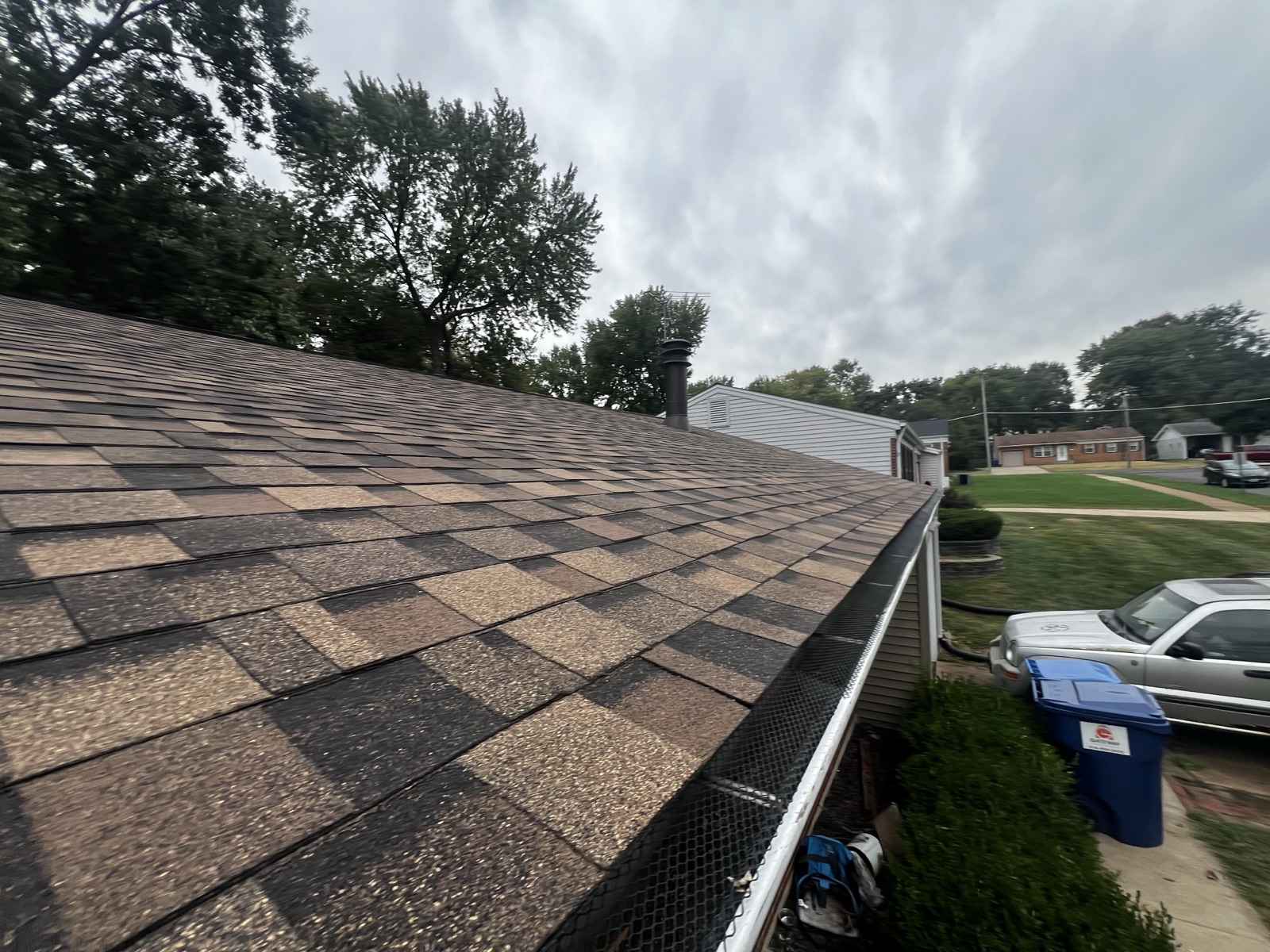
Do not file a claim on a guess. The first move is getting the roof inspected and photographed by someone who knows what hail damage actually looks like, because filing a claim that gets denied does you no good. When we inspect after a storm, we document everything the same way we described in how we inspect a roof, and we tell you straight whether what we found is worth a claim. Sometimes it is not, and we say so.
Step Two: Filing the Claim
If the damage is real, you call your carrier or file online and open the claim. You will get a claim number and, eventually, an adjuster assignment. Keep every document and write down every date. The photos from step one matter here, because they establish what the roof looked like close to the storm date.
Step Three: The Adjuster Visit
The insurance company sends an adjuster to inspect the roof themselves. We think a homeowner should never do this meeting alone, and we wrote a full post on it: the insurance adjuster meeting and how to be ready. The short version is that we attend, we walk the roof with the adjuster, and we make sure everything we documented gets looked at rather than glossed over.
Step Four: The Scope and the First Check
If the claim is approved, the carrier issues a scope of loss: a line-item list of what they agree to pay for. On most replacement-cost policies, the first check is the actual cash value of the roof, which means the replacement cost minus depreciation for the roof's age, and minus your deductible. The rest, called recoverable depreciation, is held back until the work is done. We go through the scope line by line, because missed items are common, and that is where a supplement comes in. We wrote about that separately in what a supplement is.
Step Five: The Build
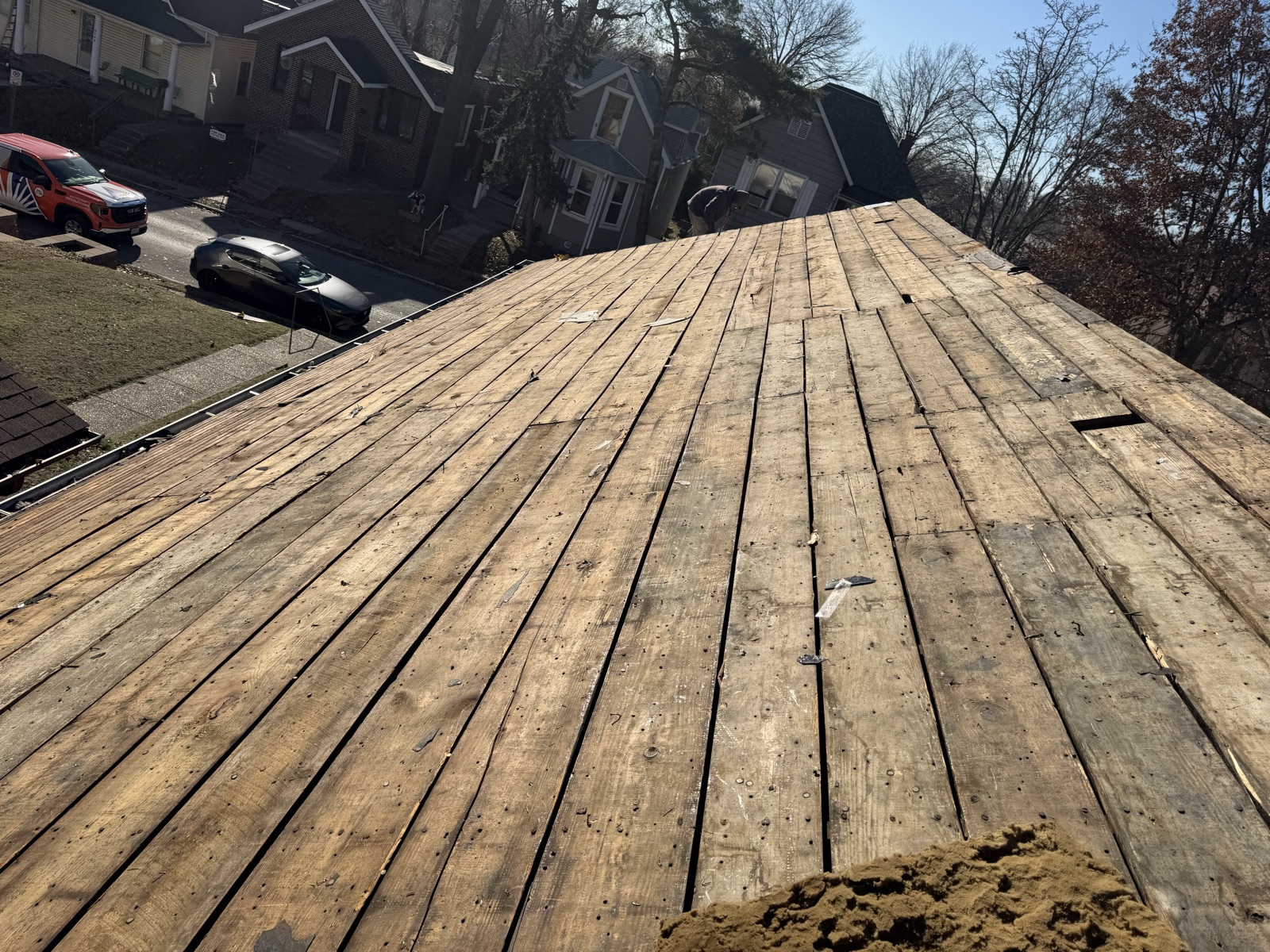
Once the scope is settled, we schedule the work, order the materials, and replace the roof to manufacturer spec. Nothing about the insurance process changes how we build. Tear-off, deck check, underlayment, flashing, shingles, cleanup, and a final photo record of the completed work.
Step Six: Collecting the Depreciation
This is the step homeowners forget. After the work is complete, the completion paperwork goes to the carrier, and they release the recoverable depreciation they held back. If that final invoice never gets sent, that money never shows up. Our office handles this filing as part of the job, because leaving the last check uncollected is one of the most common ways homeowners lose money on a claim they already won.
What We Will Not Do
We will not tell you a roof has hail damage when it does not, we will not inflate a scope, and we will not play games with your deductible, which Missouri law is very clear about and which we covered in our post on deductibles. The claim process works fine when everyone documents honestly. That is the only way we run it.
Think You Have Hail Damage?
We document roofs for hail claims across the greater St. Louis area, from Chesterfield and Ladue to Frontenac, Town and Country, Clayton, and Kirkwood.
Or call us directly: (314) 220-2333
Kaleb
Kaleb owns and runs Keys Roofing, serving the greater St. Louis area with roofing, gutter, and downspout work. The company is fully licensed and insured, and Kaleb personally walks storm-damaged roofs and adjuster meetings with his crew.