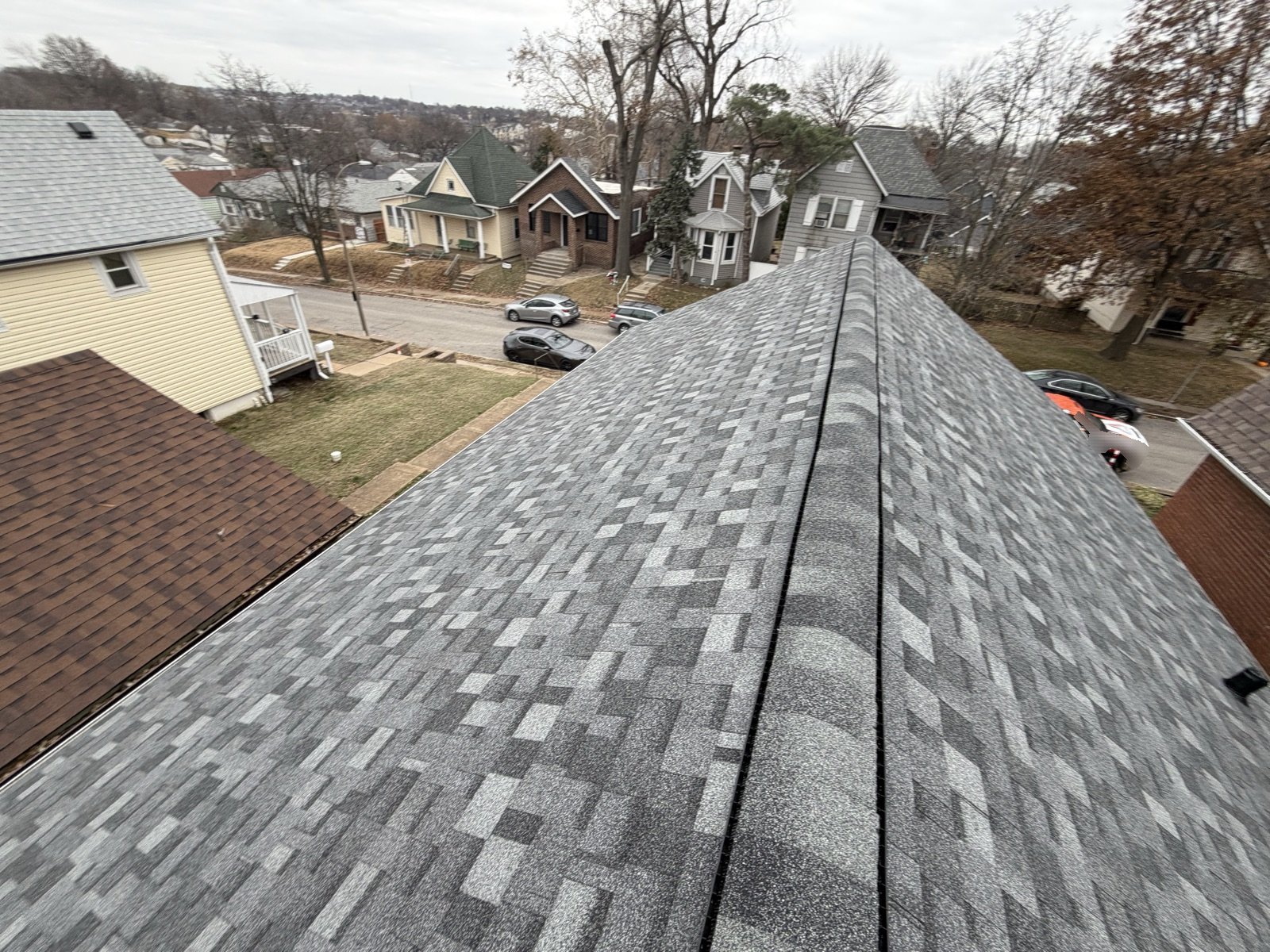
Late summer in St. Louis has a rhythm to it. The heat builds for days, then a line of storms comes through fast, with straight-line wind and sometimes hail, and then the phone starts ringing. Every year we take calls in August and September from homeowners dealing with leaks that were completely preventable, because the weak spot was sitting there all summer waiting for the right storm to find it.
This post is the checkup we recommend before that weather arrives. Some of it you can do yourself from the ground. The rest is what we look at when we put a ladder up.
Why Late Summer Is Its Own Season for a Roof
By August, your shingles have been cooking for two or three months. Heat ages asphalt. Sealant strips soften, edges that were starting to lift get a little more willing to lift, and any pipe boot that was cracking in June is more cracked now. Then the first strong cold front of the season collides with all that hot, humid air, and the storms it produces tend to come with wind that tests every one of those weak points at once.
A roof that sails through a spring storm can leak in a September one, simply because it spent the summer getting more tired. That is why we treat late summer as its own inspection season, separate from spring.
What You Can Check From the Ground
You do not need to get on your roof, and we would rather you did not. Walk the house slowly with your eyes up and look for a few specific things:
- Shingle tabs that look lifted or wavy. A shingle edge that is not lying flat is an entry point for wind-driven rain.
- Anything in the yard that came off the roof. Granules at the bottom of downspouts, pieces of shingle, or bits of ridge cap after windy days.
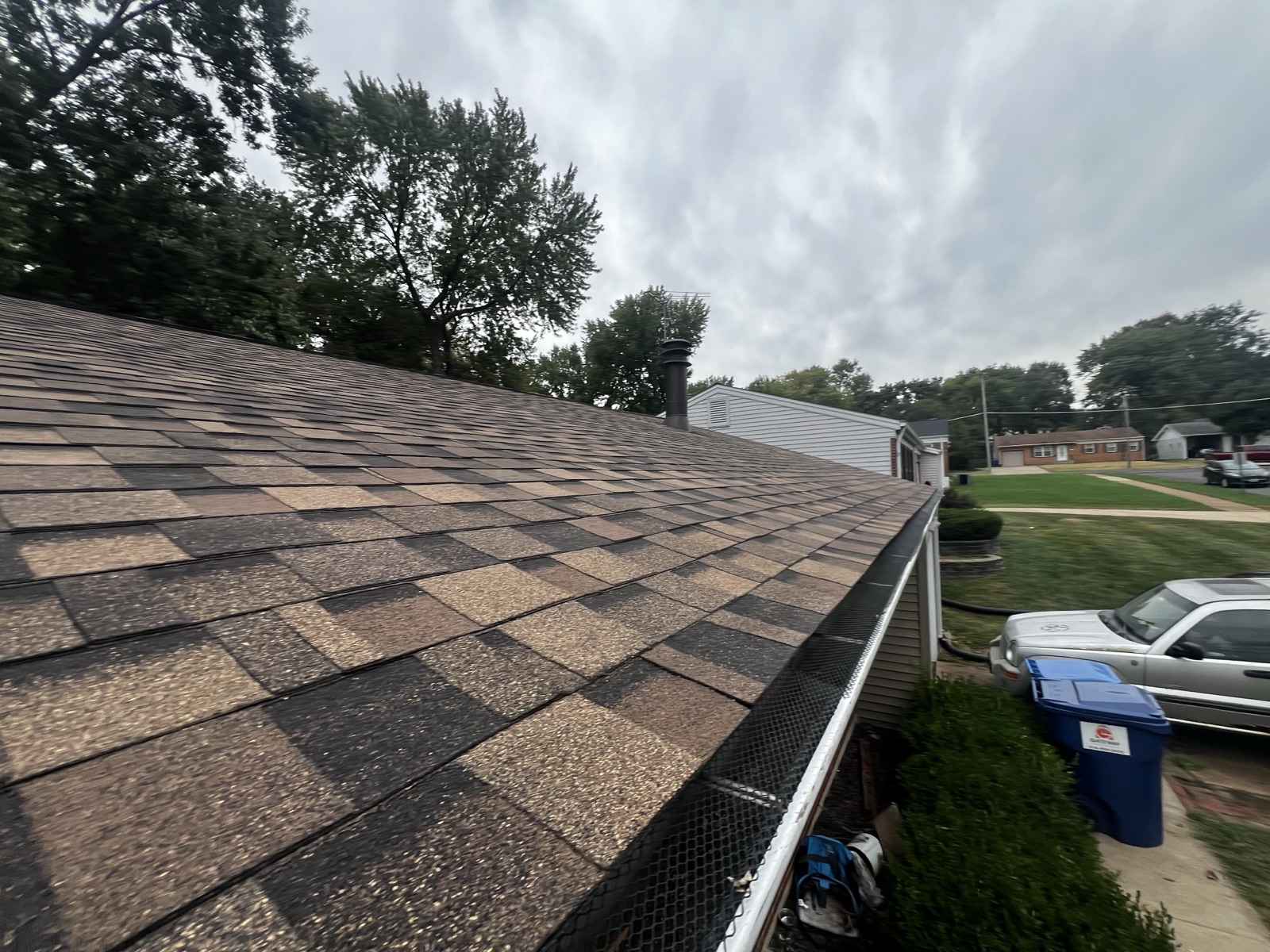
- Sagging or overflowing gutters. If the last heavy rain sent water over the front edge of the gutter, the run is clogged, mispitched, or both.
- Trees over the roof line. Limbs that touch or hang close to the roof do real damage in wind, and they feed the gutters all fall.
We wrote a longer walkthrough of ground-level checks in reading your roof after a storm. The same habits apply before the storm as after it.
What We Check From the Ladder
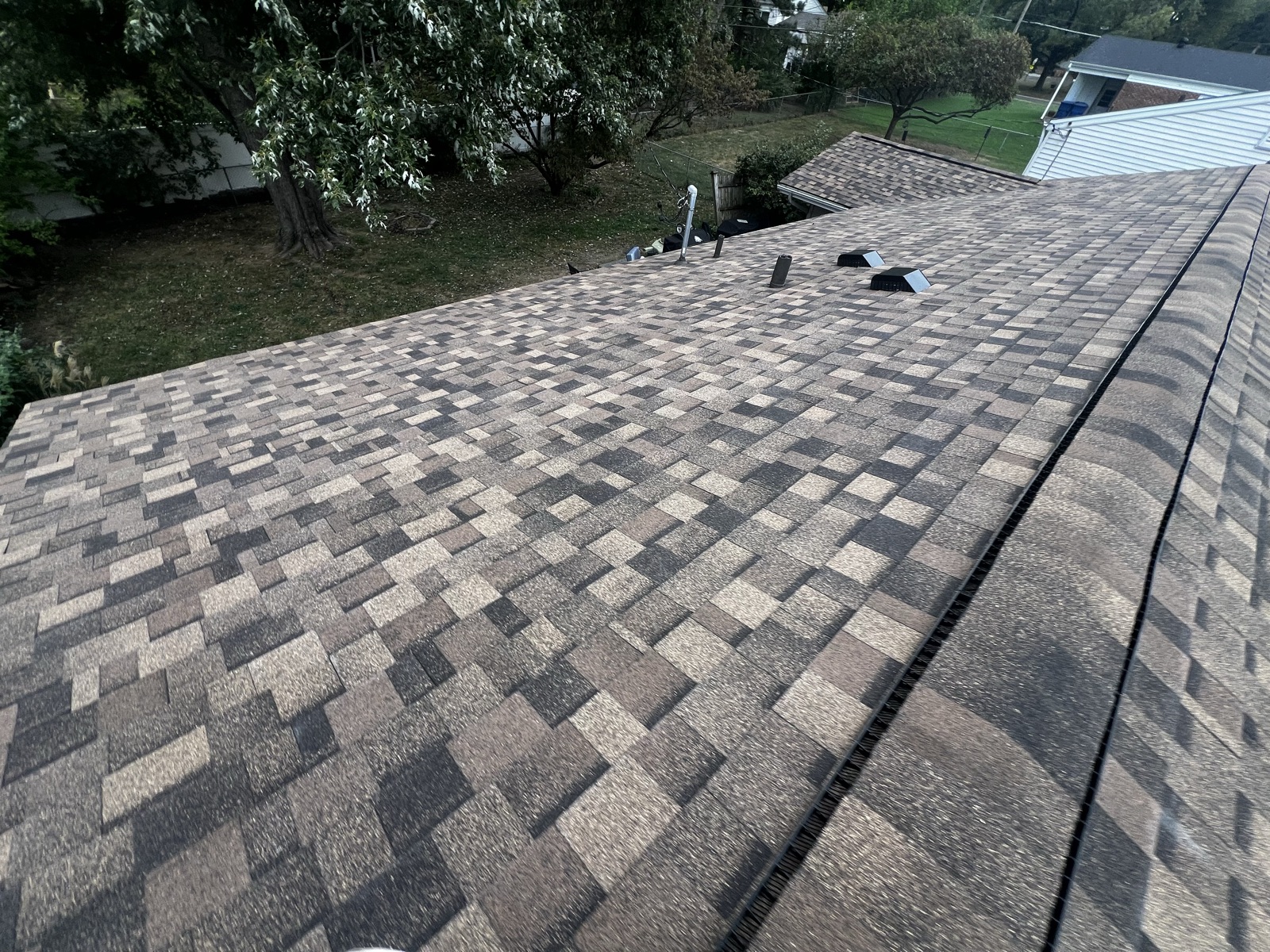
When we run a pre-season inspection, we follow the same top-down order we use on every roof, which we laid out in how we inspect a roof. Before storm season we put extra weight on the parts that fail in wind:
- Ridge caps. Cracked or loose caps are the most common thing we find in August, and they are usually a simple fix if caught early.
- Sealant bond on shingle edges. We check whether tabs are still sealed down, especially on the sides of the house that face the weather.
- Pipe boots and penetration flashing. A boot that is dry-rotted will not survive a sideways rain.
- Valley condition. Valleys carry the most water on the roof, and a heavy storm is when a compromised valley shows itself.
Do Not Forget the Gutters
A late-summer downpour can drop a lot of water in a short window, and the gutters are what decide whether that water leaves your property or ends up against your foundation. Before storm season we want to see clean runs, solid hangers, sealed seams, and downspouts that actually discharge away from the house.

Fix the Small Things Now
Most storm leaks we chase in September trace back to something small: one cracked boot, one lifted flashing leg, a handful of unsealed tabs. Those are inexpensive fixes on a calm day in August. After the storm, the same problem means wet insulation, a stained ceiling, and a repair that got bigger while it waited.
If a Storm Beats You to It
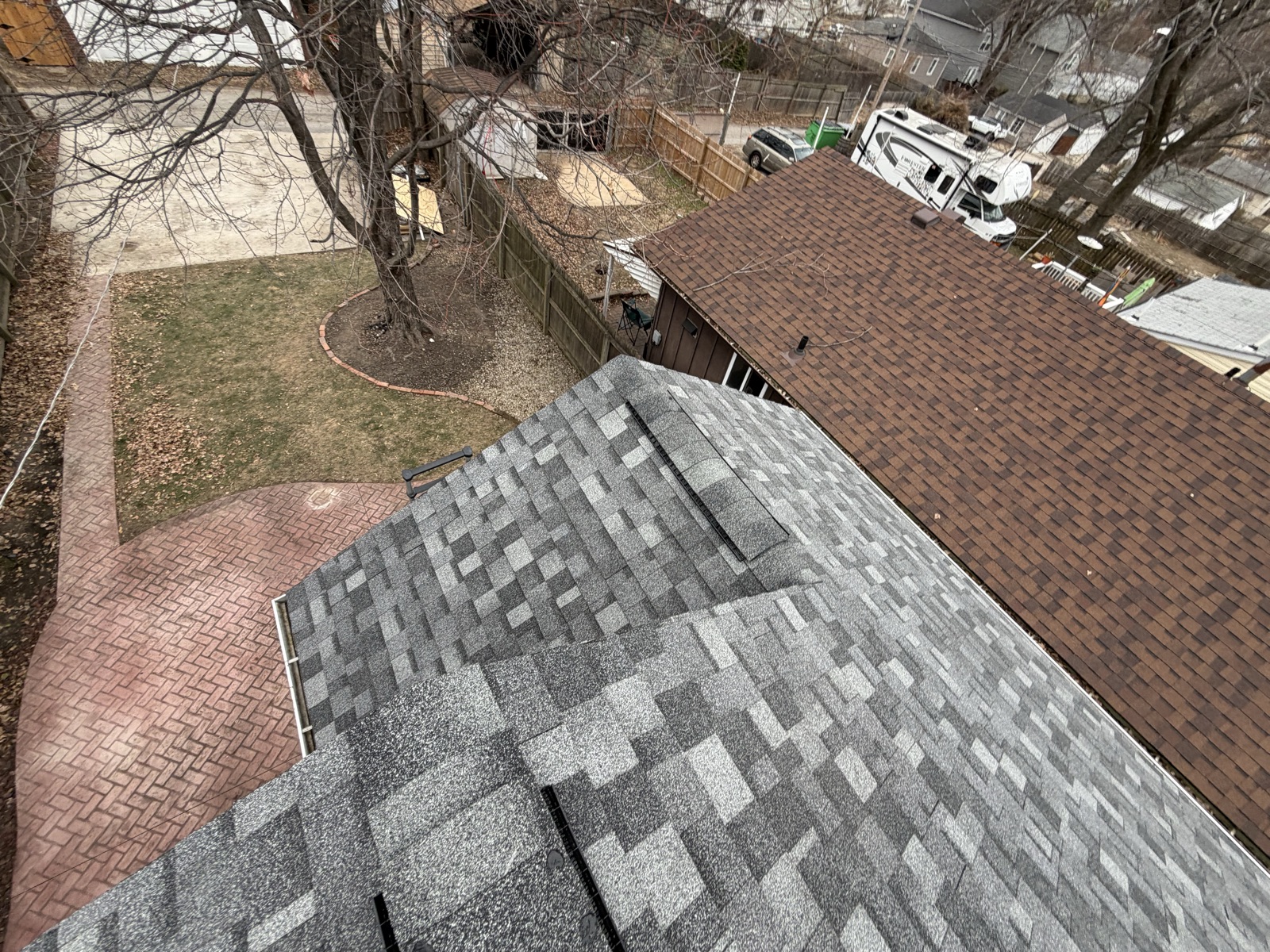
If weather comes through before you get ahead of it, document what you see from the ground, note the date, and get an inspection scheduled. We photograph everything and tell you plainly whether you have storm damage, normal wear, or nothing to worry about. If a roof does not need work, we say so. That is the whole point of looking before the storms arrive.
Want a Storm-Season Checkup Before the Weather Gets Here?
We inspect roofs across the greater St. Louis area, from Chesterfield and Ladue to Frontenac, Town and Country, Clayton, and Kirkwood.
Or call us directly: (314) 220-2333
Kaleb
Kaleb owns and runs Keys Roofing, serving the greater St. Louis area with roofing, gutter, and downspout work. The company is fully licensed and insured, and Kaleb is on job sites personally through every storm season.