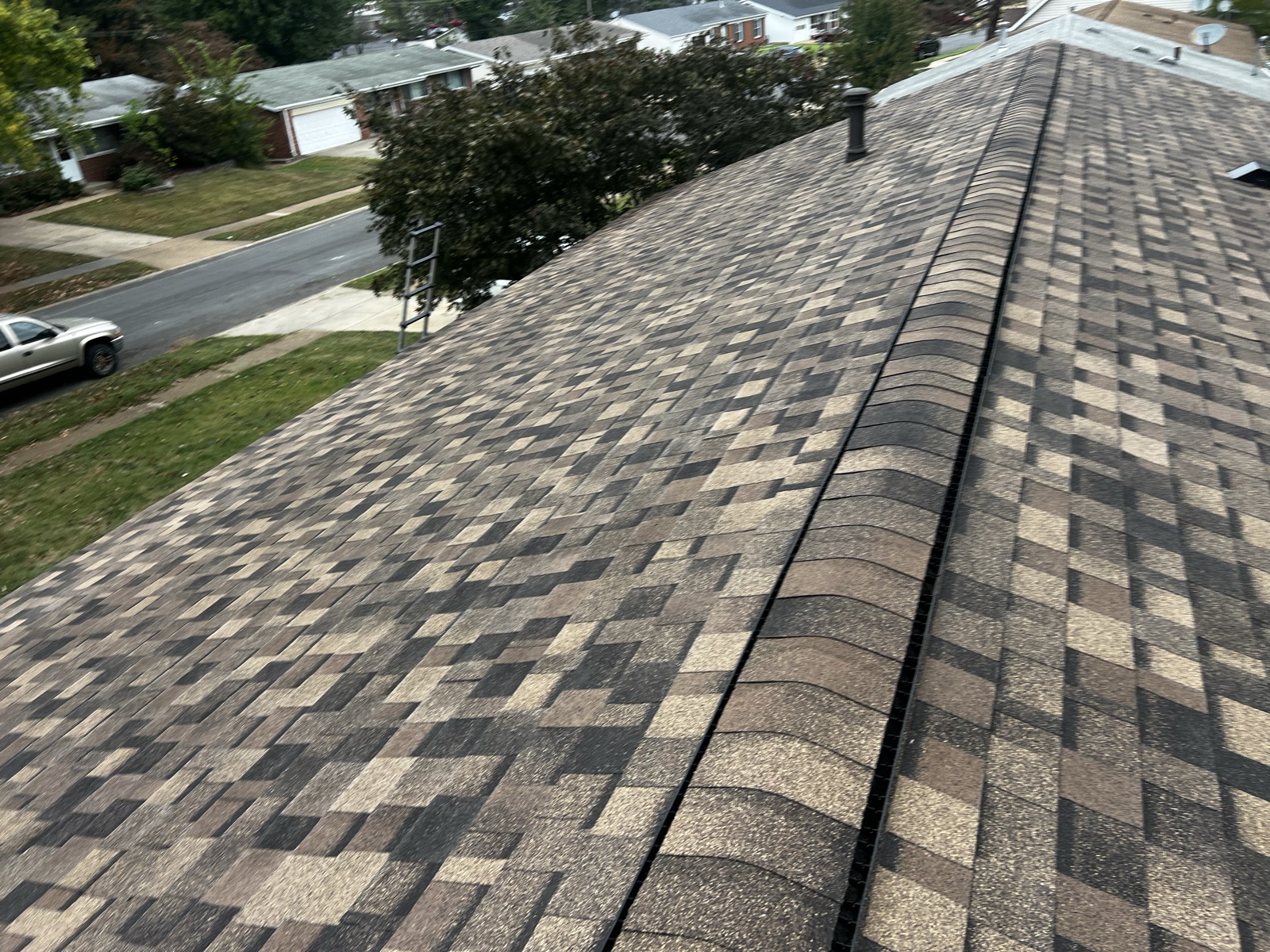
Ask ten homeowners what their roof warranty covers and most will say something like "the roof, for a long time." I understand why. Warranty language on a sales brochure is written to sound as big as possible, and the actual coverage lives in a document almost nobody reads until something goes wrong. So let me decode it the way I explain it at a kitchen table: there are two different warranties on a new roof, they come from two different parties, they cover two different kinds of failure, and the fine print decides which claims actually get honored.
One note before we start. Warranty terms, coverage periods, and transferability rules are set by each manufacturer and each contractor, and they change. Your warranty documents are the final word on your coverage. What follows is how the system works in general, so you can read those documents and actually understand them.
Warranty One: The Manufacturer Warranty
The manufacturer warranty comes from the company that made your shingles. It covers manufacturing defects: shingles that fail because something went wrong at the factory, not because of weather, wear, or how they were installed. If a shingle loses its granules years ahead of schedule, cracks, blisters, or otherwise fails as a product, that is manufacturer territory.
Here is what the brochure usually does not make obvious:
- "Lifetime" has a definition, and it is in the fine print. Most limited lifetime warranties are structured in phases. There is typically an early period of stronger coverage, and after that the coverage prorates, meaning the payout shrinks as the roof ages. The word "lifetime" on the cover and the proration schedule inside are both part of the same document.
- It covers the product, and often only the product. A base material warranty is generally about the defective shingles themselves. Depending on the terms, tear-off labor, disposal, and the other components on the roof may or may not be included, and that difference matters a lot on a real claim.
- Storm damage is not a defect. Hail and wind losses are insurance claims, not warranty claims. We walked through how that process works in a hail claim from start to finish. The manufacturer warranty was never designed to cover weather.
- Improper installation can void it. This is the big one, and it deserves its own section.
Warranty Two: The Workmanship Warranty
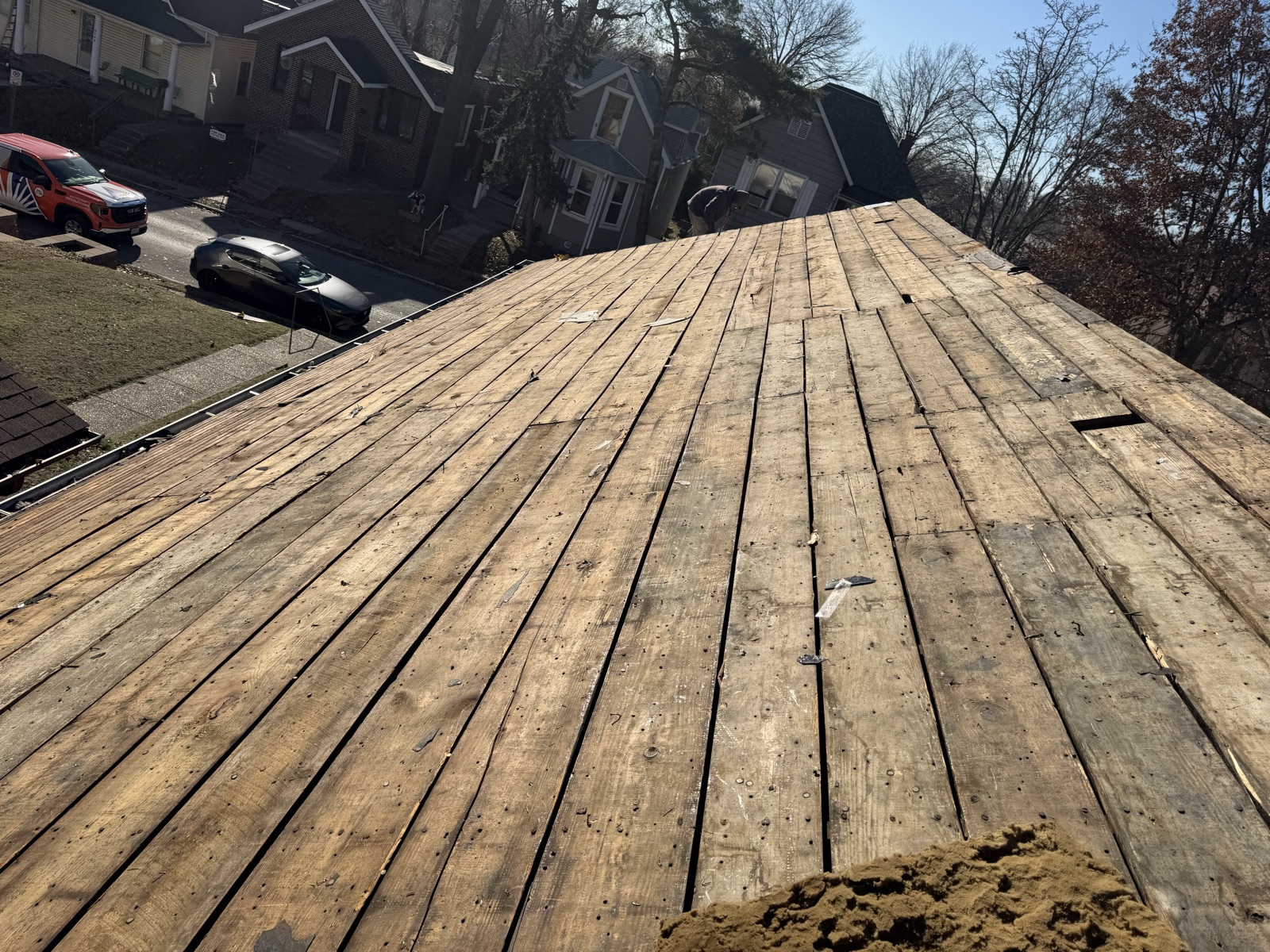
The workmanship warranty comes from your contractor, and it covers the other kind of failure: not a bad shingle, but a bad install. Flashing that was reused when it should have been replaced. Nails driven high, crooked, or overdriven. A valley woven wrong. A pipe boot seated badly. When a roof leaks in its first years of life, the cause is far more often installation than material, which is why the workmanship warranty is the one that matters most early on, and it is the one homeowners think about least when choosing a roofer.
A workmanship warranty is only as good as two things: the language in it, and the company standing behind it. A twenty-year workmanship warranty from a contractor who changes phone numbers every storm season is worth exactly nothing. This is the quiet reason we tell people to vet the company harder than the paperwork, and we wrote a whole post on that: how to vet a roofer after a storm. The warranty document does not honor itself. A business does, and the business has to still exist and still answer the phone.
Where the Two Warranties Meet: Installation
Here is the part that ties the whole system together. Manufacturer warranties are written on the assumption that the product was installed to the manufacturer's specifications. Fastening pattern, nail placement, underlayment, flashing integration, and ventilation are all part of that spec. Install the product wrong and the manufacturer has grounds to deny a claim, because the failure was not their defect.
Ventilation trips people up the most, because it does not look like a shingle problem. An attic that cannot breathe cooks shingles from below and can shorten their life dramatically, and manufacturer warranty terms account for that. It is one of the reasons ventilation is part of every inspection we run, which we covered in our post on attic ventilation. A roofer who ignores your ventilation is not just shortening your roof's life. They may be quietly compromising your warranty coverage at the same time.
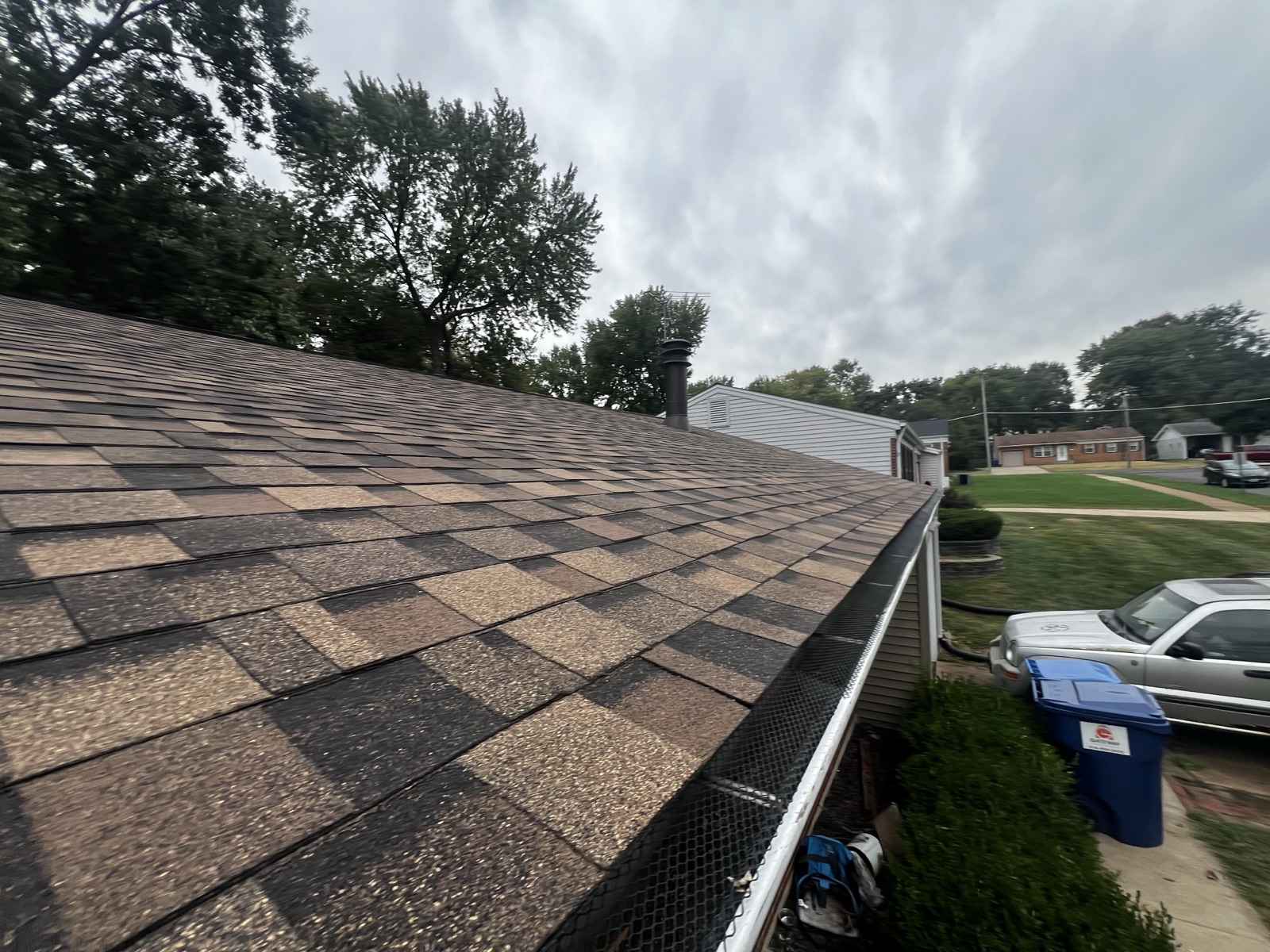
This is also why we standardized on Atlas and Malarkey and install to their spec without shortcuts, which we explained in why we install what we install. Being a recognized installer ties into how warranty support gets handled, and an installation error on our end can put a homeowner's material warranty at risk. We treat the spec sheet as a floor, not a suggestion, because your coverage depends on it.
What Actually Gets Honored
So what happens when something goes wrong and you reach for the paperwork? In our experience, claims succeed or fail on a few practical points:
- The right warranty for the right failure. A product defect claim sent to the contractor, or an installation complaint sent to the manufacturer, goes nowhere. Diagnosing the cause correctly comes first, and photos from the roof settle most arguments.
- Documentation. Registration paperwork filed at install time, proof of what was installed, and a photo record of the work. This is one reason we photograph our jobs the way we described in how we inspect a roof. Records that exist before a problem are worth ten times the records assembled after one.
- Maintenance and modifications. Warranty terms commonly expect reasonable upkeep, and things like unpermitted penetrations, pressure washing, or another trade walking the roof carelessly can complicate a claim. Keep receipts for any work done up there.
- Transfer rules. If you sell the house, coverage may or may not follow the roof, and there is often a notification window and a process. If you are buying or selling, ask early, not at closing.
The Questions to Ask Before You Sign
You do not need to become a warranty lawyer. You need five direct answers from any roofer bidding your job, in writing: Who backs the material warranty and for how long before proration? What exactly does your workmanship warranty cover, and for how long? Will you register the warranty with the manufacturer, and do I get a copy? Does this installation meet the manufacturer's full specification, including ventilation? And is it transferable if I sell?
An honest company answers all five without flinching. Ask us and we will hand you the current Atlas or Malarkey warranty documentation and walk you through our own workmanship terms line by line, with real answers instead of brochure language. The paperwork is only as good as the people behind it, and we intend to be here to honor ours.
Want Straight Answers on Your Coverage?
We install to manufacturer spec and put our workmanship terms in writing, across the greater St. Louis area, from Chesterfield and Ladue to Frontenac, Town and Country, Clayton, and Kirkwood.
Or call us directly: (314) 220-2333
Kaleb
Kaleb owns and runs Keys Roofing, serving the greater St. Louis area with roofing, gutter, and downspout work. The company is fully licensed and insured, installs Atlas and Malarkey shingles to manufacturer spec, and puts its workmanship terms in writing.